
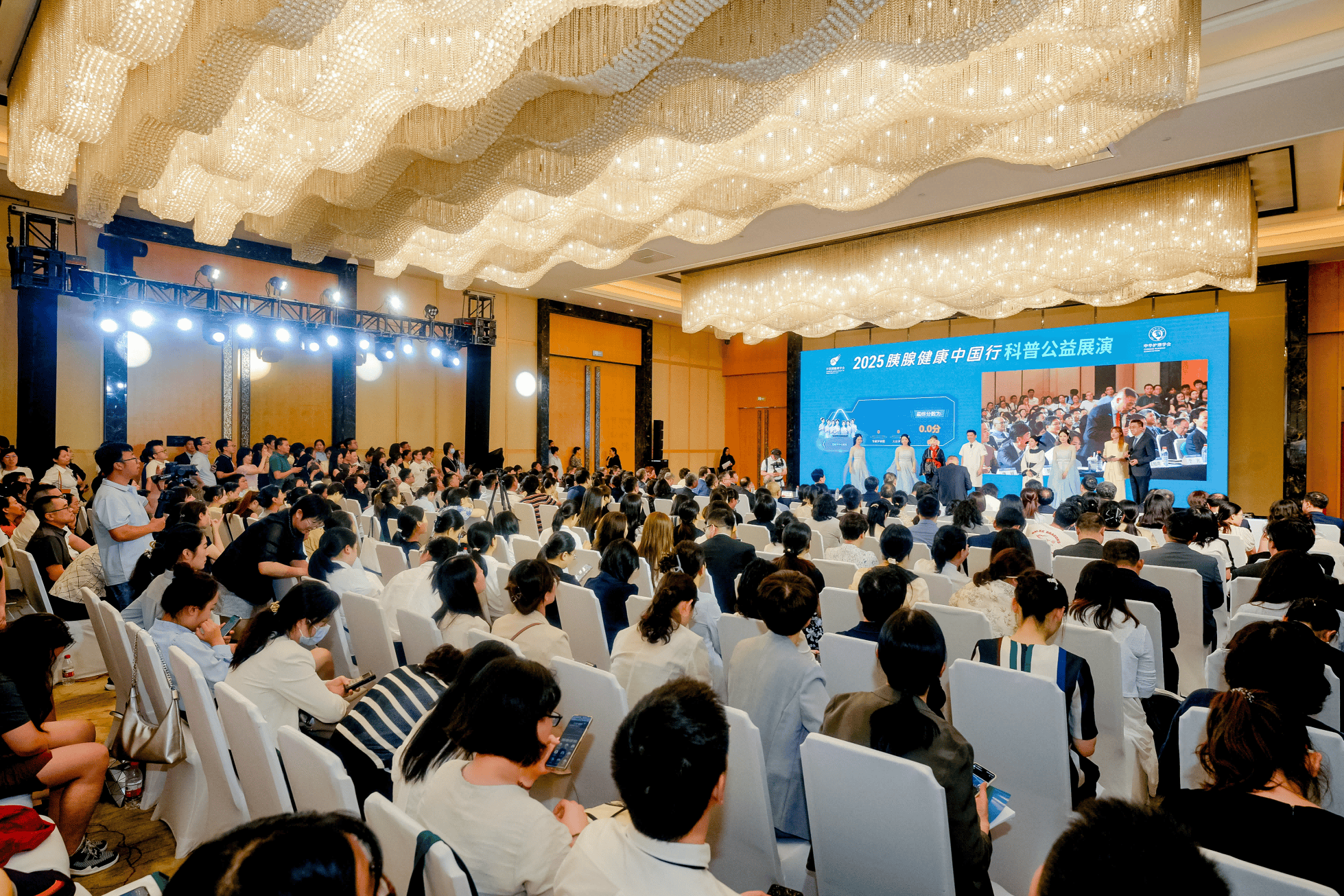
Igniting Excitement! The 2025 “Pancreatic Health China Tour” Science Popularization Competition Finals Stage a Peak Showdown
On the afternoon of June 20, under the guidance of the China Association for Science and Technology and jointly hosted by the Chinese Association of Pancreatology (CAP) and the Chinese Nursing Association—with Peking Union Medical College Hospital serving as organizer—the finals of the 2025 “Pancreatic Health China Tour” Science Popularization Competition were held in Chongqing. The event attracted a star-studded lineup of mentors and full houses of spectators. Fifteen competing teams, together with their scientific and media mentors, formed five “battle fleets” named “Yi Fan Feng Shun” (Yi is the Chinese pronunciation of pancreas.), “Yi Lu Tong Xing”, “Yi Tan Jiu Jing”, “Yi Chui San Xiang in Beijing-Shanghai-Guizhou” and “Yi Wang Wu Qian” and they squared off in a thrilling, head-to-head contest. Academician Yupei Zhao, President of CAP, alongside Academician Shusen Zheng and Academician Guang Ning, Vice Presidents of CAP, attended as expert judges. The competition was broadcast live in full by nearly ten media outlets—including Xinhua Net, the People’s Daily Health App, CCTV’s “Health Road”, Tencent Medpedia, The Physician’s Daily, China Medical Tribune, and Health Times—garnering over 4.4 million views online. Academician Yupei Zhao has long championed shifting pancreatic-disease prevention and treatment upstream, emphasizing that raising public awareness of pancreatic health is the crucial link in achieving early prevention, diagnosis, and treatment. In March of this year, CAP issued the “Call for Entries” for the Science Popularization Competition, and institutions nationwide responded enthusiastically. Eighteen provinces and municipalities and thirty-nine hospitals submitted eighty-three entries. After two rounds of preliminary review, more than thirty judges assessed each entry on scientific rigor, entertainment value, visual appeal, and communicative impact. In the end, fifteen teams advanced to the finals for live innovation showcases; fifteen entries were selected for the Featured Showcase; and thirty for the Special Showcase. The competition introduced a dual-mentor system of “Science plus Media,” with distinguished figures from both domains serving as mentors. Scientific mentors included Professor Yinmo Yang, Director of Peking University First Hospital; Professor Baiyong Shen, Vice President of Ruijin Hospital, Shanghai Jiao Tong University School of Medicine; Professor Kuirong Jiang, Vice President of the First Affiliated Hospital of Nanjing Medical University; Professor Jihui Hao, President of Tianjin Medical University and Director of Tianjin Cancer Hospital; and Professor Xinjun Wu, President of the Chinese Nursing Association. Media mentors included Jingdan Xiao, Deputy President of Health News Agency; Tian Tian, Deputy Director of Beijing Satellite TV; Li Zhang, former Deputy Director of Beijing Satellite TV; Fengge Tian, producer of CCTV’s “Health Road”; Xiaohong Jia, senior reporter for Beijing Daily; well-known influencer Xiaolei Wang (Liushen Leilei). The finals were hosted by renowned Beijing TV anchor Yuè Yuè and national health-science communication expert Professor Kang Yu of Peking Union Medical College Hospital’s Department of Clinical Nutrition. More than one hundred representatives from CAP and the Chinese Nursing Association served as expert and public judges. The contestants’ dynamic performances held both the live and online audiences spellbound. They tackled topics of widespread public concern, hot-button medical issues, and patients’ real-world questions through diverse formats—dance, song, cross-talk, rhythmic clapper talk, situational skits, short dramas, and full-stage plays. They ingeniously wove in classic cultural IPs like Journey to the West, cutting-edge AI technology, “live-stream shopping” formats, time-travel elements, and traditional Hanfu dress to create a fusion of ancient and modern, professional and playful—breaking down the “fourth wall” of pancreatic science. Behind every creative idea lay the contestants’ passion and dedication to health education: more than knowledge transfer, these acts were celebrations of life itself. Highlights included titles such as “Exploring Robotic Pancreatic Surgery,” “Journey to the West: The Sugar-Control Chronicles,” “The AI Butler’s Secret Plot,” and “Don’t Let Illusions Deceive Your Eyes.” These outstanding concepts demonstrated not only the teams’ solid professional foundations and exceptional ability to translate medical knowledge into plain language, but also the mentors’ and participants’ wholehearted investment in nurturing these science-communication “blooms.” At the finals, mentors engaged in lively banter to rally support for their teams. A giant screen continuously updated each team’s score, and invited experts’ incisive comments sent the excitement soaring. “Pancreatic diseases are insidious and life-threatening,” remarked Li Zhang, former Deputy Director of Beijing Satellite TV. “When these science-based messages reach every household through multiple channels, their value to society is immeasurable. The contestants’ diverse formats—from animation to interactive segments to heartfelt narratives—will ensure this life-preserving scientific movement endures, benefiting even more people.” Professor Fei Li of Xuanwu Hospital, Capital Medical University, noted, “Pancreatic diseases manifest differently in each individual, making health education especially vital. The teams skillfully fused scientific accuracy, professional depth, and entertainment, using clear language to guide patients on when to raise alarms and respond promptly to abnormal indicators. Such practices of popularization have tremendous value.” As the competition drew to a close, hosts Yuè Yuè and Professor Kang Yu reflected, “This contest not only revealed how this ‘silent organ’ deep within us sustains the joy of daily eating and the balance of life, but also showcased the limitless charm of medical popularization.” Online viewers chimed in: “I learned so much!” “Absolutely brilliant—truly a nationwide mobilization for pancreatic health.” “Together in Health, Together on the Pancreatic Path”. This Science Popularization Competition built a national stage where young pancreatology healthcare professionals could compete, learn, and exchange ideas. It has become a vivid enactment of the Healthy China initiative within a medical specialty—signifying CAP’s commitment to extending pancreatic-disease prevention and care from professional settings into the public domain, from hospital clinics into community homes. With the ongoing efforts of “clinically savvy, communication-adept” young practitioners, the light of science will surely brighten every corner of public health awareness.
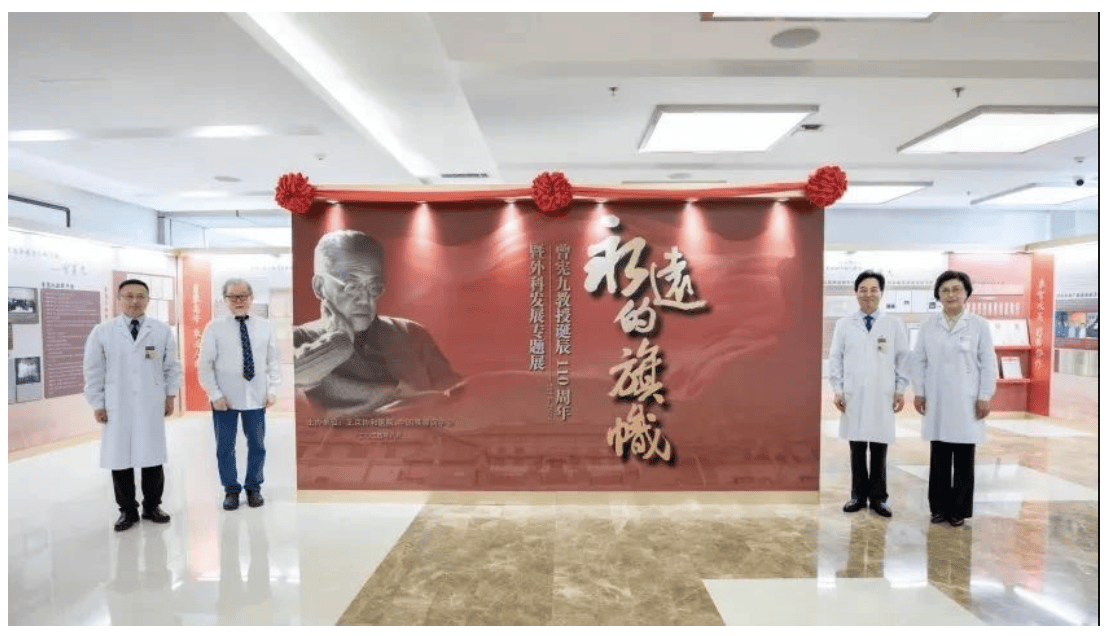
Eternal Banner | 110th Anniversary of Professor Zeng Xianjiu's Birth and Special Exhibition on the Development of Surgery
On August 30, 2024, the "110th Anniversary of Professor Zeng Xianjiu's Birth and Special Exhibition on Surgical Development," co-hosted by Peking Union Medical College Hospital and the Chinese Association of Pancreatology (CAP), was inaugurated. Academician Zhao Yupei, Honorary President of Peking Union Medical College Hospital, President Zhang Shuyang, Party Secretary Wu Peixin, and Professor Zeng Xianjiu's son Zeng Hong jointly unveiled the exhibition. The exhibition presented precious photos, medical records, papers, and works to highlight Professor Zeng Xianjiu's outstanding contributions and showcase a series of milestone achieved by the surgical department of Peking Union Medical College Hospital under his inspiration, which stand as landmarks in modern Chinese medical history. It inspires contemporary Union Medical staff to achieve new milestones in the new era and new journey. Professor Zeng Xianjiu's life is an exemplary embodiment of the spirit of scientists. The exhibition is structured around six core aspects of this spirit. The first chapter, "With a Heart for the Motherland, Serving the People," introduced the main life stories of Professor Zeng Xianjiu; the second chapter, "Scaling Heights, Daring to Be the First," introduced the main academic contributions of Professor Zeng Xianjiu; the third chapter, "Pursuing Truth, Rigorous Scholarship," introduced Professor Zeng Xianjiu's academic thoughts and the inheritance and innovation of surgery; the fourth chapter, "Indifferent to Fame and Wealth, Devoted to Research," restored the image of Professor Zeng Xianjiu reading at his desk; the fifth chapter, "Gathering Wisdom to Tackle Key Issues, Working Together," introduced the promotion of the multidisciplinary diagnosis and treatment model of Union Hospital both inside and outside the hospital; the sixth chapter, "Willingly Serving as a Ladder, Encouraging Junior Scholars," introduced the development achievements of the surgery department of Peking Union Medical College Hospital in leading Chinese surgical colleagues to ascend to the world stage of surgery. This exhibition carefully selected and displayed remarkable medical records of Professor Zeng Xianjiu from various periods. During his residency, his handwritten English medical records were elegant, detailed, and well-organized. On the day before the founding of the People's Republic of China, he was still fighting on the front line of the operating table. In the 1950s, he guided young doctors to complete the surgery for a giant pancreatic cyst, with a comprehensive surgical plan and exquisite medical drawings. In the 1980s, Professor Zeng Xianjiu, who was in the late stage of lung cancer, still cared about patients and personally wrote letters to patients and their units to urge them to return for follow-ups. Professor Zeng Xianjiu placed special emphasis on basic research and the transformation of research outcomes, demonstrating a highly forward-thinking approach to research. This exhibition introduced Professor Zeng's remarkable achievements in laying the foundation for pancreatic surgery, pioneering parenteral and enteral nutrition, and pioneering intensive care medicine. It also showcased the advanced nature of Professor Zeng's academic achievements from a new perspective. For instance, as early as 1979, he co-authored "Application of Electronic Computer-Aided Diagnosis of Acute Abdomen" with the Department of Computer Science at Tsinghua University, which aligned perfectly with the current concept of artificial intelligence (AI) technology. Leaders and experts visit the thematic exhibition Professor Zeng Xianjiu has passed away for nearly 40 years, but his legacy lives on at Peking Union Medical College. His humble demeanor and the virtue of being a mentor and guide are always remembered and passed on. Visiting the exhibition is like wandering through the long history of surgical teaching at Peking Union Medical College, where medical records faithfully record the process of teachers guiding young doctors in different eras. This relay is still continuing today. In 1984 and 2009, Professor Zeng Xianjiu and Professor Zhao Yupei published articles titled "Cultivation of Young Surgeons" and "Re-talking the Growth of Young Surgeons in the New Era" respectively, after a lapse of 25 years, reflecting that the academic leaders of Peking Union Medical College had always regarded the cultivation of young talents as the most urgent and concerned matter in their hearts. Building upon the foundation laid by Professor Zeng Xianjiu, the surgical team at Peking Union Medical College Hospital has continued to forge ahead and achieve new heights. Today, the Department of Surgery has evolved into 12 specialized departments, forming a collective with strong technical expertise and prominent specialty strengths. These departments has led the way in securing 7 National Science and Technology Progress Awards. Professor Zeng Xianjiu, Professor Zhu Yu, and Academician Zhao Yupei—three leading figures in the Surgery Branch of the Chinese Medical Association—all emerged from Peking Union Medical College Hospital. As the leading instiution, the surgical team at Peking Union Medical College Hospital has collaborated with colleagues nationwide to develop nearly 100 clinical guide lines and consensus documents, organized hundreds of large-scale academic conferences, and actively promoted academic exchanges both domestically and internationally. These efforts have elevated Chinese surgical expertise to the international stage. The surgical team at Peking Union Medical College Hospital has always adhered to carrying forward the fine traditions, leading peers nationwide, establishing a collaborative research mechanism, and creating an international academic exchange platform. In 2022, Academician Zhao Yupeispearheaded the establishment of the Chinese Association of Pancreatology (CAP), a national first-class association, which has built a national, comprehensive, and high-level platform dedicated to the diagnosis, treatment, and research of pancreatic diseases, covering multiple disciplines such as internal medicine, surgery, basic medicine, pathology, endoscopy, radiotherapy, radiology, ultrasound, interventional therapy, nuclear medicine, endocrinology, and intensive care. The team at Peking Union Medical College Hospital has embraced its new mission in the new era, collabrating with global peers to advance academic exchanges, cultivate talent, and drive scientific innovation. These efforts aim to contribute to the global fight against pancreatic diseases and improve patient outcomes. The experts and professors visiting the exhibition carefully examined each picture, sharing their memories with emotion and excitement. The young medical staff said, "We are profoundly moved and deeply inspired. Having taken over the baton, we are committed to fulfilling our new mission, achieving new milestones, and contributing to the journey of high-quality development, ensuring that our efforts honor both history and the promise of our youth."
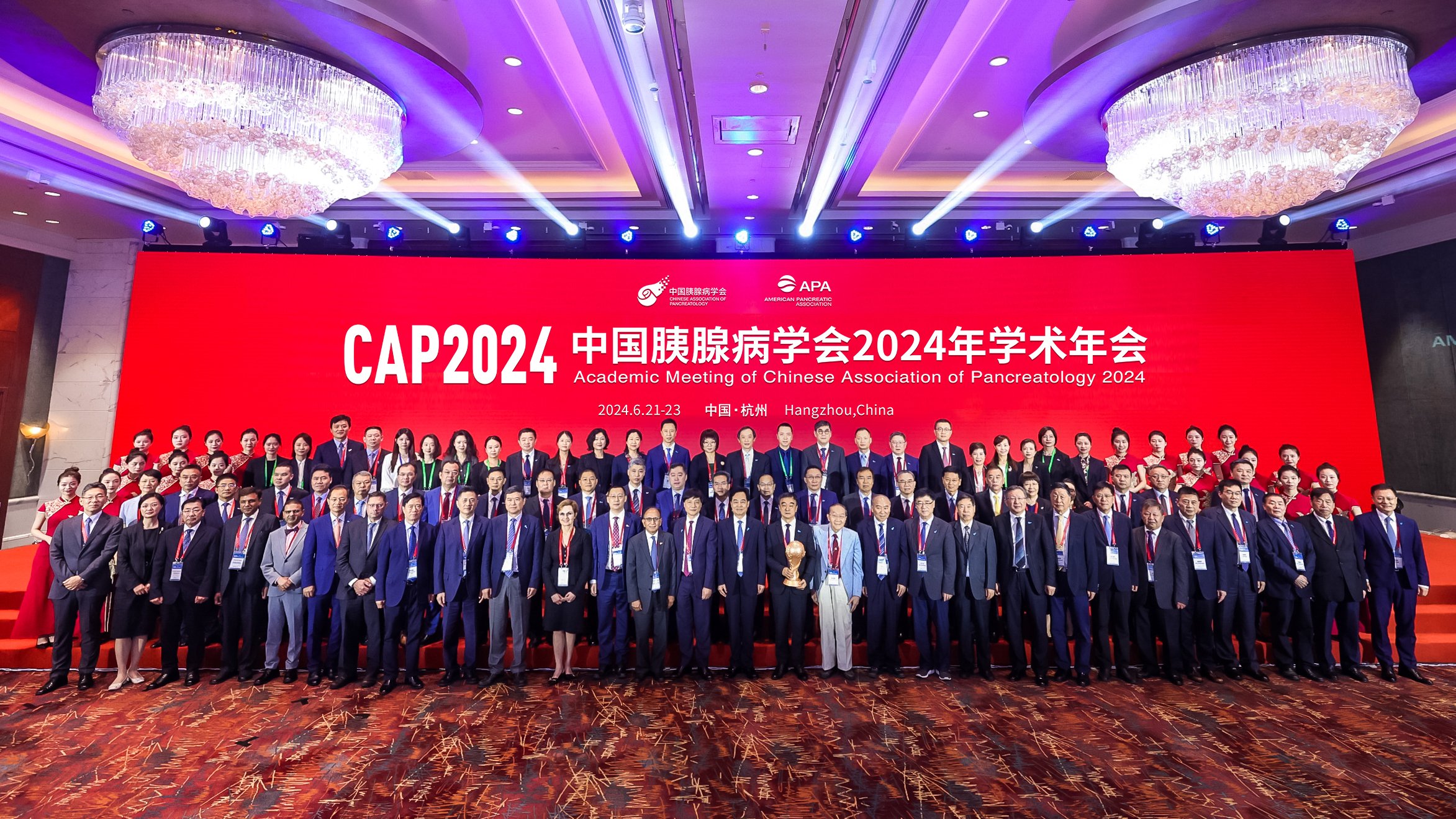
Internationalization, Professionalization, Youth-Oriented Development——2024 Annual Meeting of the Chinese Association of Pancreatology (CAP) Successfully Held
From June 21 to 23, 2024, the 2024 Annual Meeting of the Chinese Association of Pancreatology (CAP), co-organized by the American Pancreatic Association (APA) and hosted by the First Affiliated Hospital of Zhejiang University School of Medicine, was held in Hangzhou, Zhejiang Province. The conference aimed to establish a new international and interdisciplinary platform for academic exchange among experts and scholars in the field of pancreatology, promoting global academic progress and professional development in the field. This high-level international academic event was also a tribute to the 75th anniversary of the founding of the People's Republic of China. At the opening ceremony, Academician Yupei Zhao, President of CAP, delivered a speech on behalf of the organizing committee. Professor Ashok Saluja, Secretary-General of the APA, Professor Min Li, former President of the APA, and Professor Tingbo Liang, Secretary of the First Affiliated Hospital of Zhejiang University School of Medicine, addressed the audience on behalf of the co-organizing and hosting institutions, respectively. Academicians Shusen Zheng, Guang Ning, and Jiahong Dong, Vice Presidents of CAP, presented certificates of appreciation to the three distinguished speakers. During the opening ceremony, special events were held, including the launch of the "U.S. Young Scholars Exchange Program," the funding ceremony for the "Chinese Young Scholars International Exchange Program," a special recognition for outstanding reviewers of the Journal of Pancreatology (English Edition), and the handover ceremony of the CAP Academic Cup. This conference marks the first international academic meeting hosted by CAP since its establishment. Nearly ten English-language sessions were organized, where renowned scholars from the United States, Germany, Hungary, Japan, India, and other countries engaged in face-to-face discussions with leading Chinese pancreatology experts on the most pressing issues, cutting-edge advancements, and latest clinical developments in the field. Centered on the diagnosis, treatment, research, and prevention of pancreatic diseases, the conference brought together multidisciplinary teams from over a dozen national pancreatic disease medical centers. Experts from surgery, internal medicine, basic research, pathology, radiotherapy, radiology, ultrasound, interventional therapy, endoscopy, nuclear medicine, endocrinology, and intensive care collaboratively explored innovative approaches to multidisciplinary care in pancreatology. The conference also served as a platform to showcase new technologies in pancreatic disease management and emerging trends in medicine-engineering integration. Highlights included advancements in artificial intelligence (AI), nanotechnology, and innovative drug development for pancreatic diseases, novel surgical techniques, and new trends driving the integrated development of industry-academia-research collaboration in pancreatology. A dedicated Youth International Exchange Session provided a stage for young scholars from China and abroad to share insights. Nine U.S. young scholars and their Chinese counterparts presented and debated breakthroughs in gene therapy, islet autotransplantation, and endoscopic interventions for pancreatic diseases. These discussions not only enhanced mutual understanding and trust but also laid the groundwork for future academic collaboration.
Chinese Association of Pancreatology's Anti-Tumor Drug and Technology Industry Service Team Selected for 2024 "Innovation China" Science and Technology Service Program
Recently, the China Association for Science and Technology (CAST) announced the list of 2024 "Innovation China" Science and Technology Service Group projects. The "Anti-Tumor New Drug and Technology Industry Science and Technology Service Team" organized by the Chinese Association of Pancreatology (CAP) has been successfully selected. To accelerate the development of the biomedical industry, with strong support from CAST, CAP proactively aligned with the industrial demands of Beijing and Hebei Province, leading the establishment of the "Innovation China" Anti-Tumor New Drug and Technology Industry Service Team. The team collaborates with key entities including the Beijing Economic-Technological Development Area, Daxing Biomedical Base, Zhongguancun Life Science Park, and Shijiazhuang High-Tech Industrial Development Zone. The service group is focused on gathering and selecting key industrial chain development challenges and major common technical issues within the industry. By establishing service stations and providing long-term on-site support, the group aims to break through industrial barriers, unite and lead scientists to serve the integration of science and technology with the economy, and contribute to the high-quality development of new technologies and methods in the field of cancer treatment. The service team is led by Academician Yupei Zhao, President of CAP, and comprises over 30 experts from CAP, clinical institutions, biomedical high-tech enterprises, universities, government agencies, and investment organizations. Expected outcomes include: · Setting up liaison offices of CAP and collaborative innovation centers in industrial parks (bases); · Establishing industry-academia-research translation and incubation platforms; · Advancing collaborative research on major scientific projects for anti-tumor drugs and technologies; · Building exchange platforms for young and mid-career clinical scientists; · Providing patent application support, policy consultation, and industrial investment training; · Developing an optimized ecosystem for the integration of anti-tumor drug and technology industries.
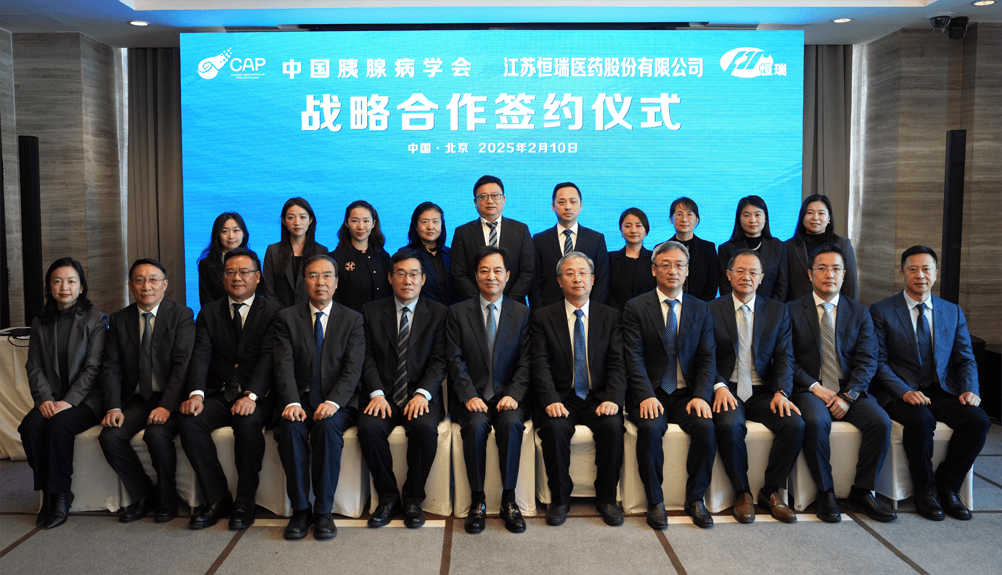
Chinese Association of Pancreatology and Hengrui Pharma Forge Strategic Partnership——Enhancing High-Quality Development in Pancreatic Disease Prevention and Treatment
(Beijing, February 10, 2025) - The Chinese Association of Pancreatology (CAP), and Jiangsu Hengrui Pharmaceuticals Co., Ltd. (Hengrui Pharma), signed a joint strategic cooperation agreement this morning in Beijing. The delegations that attended the event were led by Yupei Zhao, President of CAP, and Hongbin Dai, President of Hengrui Pharma. The signing ceremony began on an enthusiastic note with introductory videos from both organizations, followed by Jianjun Chai, Secretary-General of CAP, and Shiwen Huo, Vice President of Hengrui Pharma, formally signing the agreement on behalf of their respective parties. The agreement makes Hengrui Pharma the first pharmaceutical company to establish a strategic partnership with CAP. Remarks by President Hongbin Dai President Hongbin Dai stated that Hengrui Pharma, as a leading domestic innovator in pharmaceuticals, has consistently prioritized clinical needs and focused on disease characteristics prevalent in the Chinese population, while continuously increasing investments in innovative drug R&D. To date, the company has developed and launched 18 new molecular entities (class I new drugs ) and four other innovative drugs (Class 2 new drugs) in China, spanning multiple disease areas including pancreatic cancer. Additionally, more than 90 independent innovative products are under clinical development, and about 400 clinical trials are being carried out at home and abroad. Looking forward, both parties will work to strengthen cooperation in clinical research, talent development, international exchanges, and public science education. They will also accelerate the clinical transformation of innovative drugs, in an effort to achieve breakthrough advancements as quickly as possible so as to benefit pancreatic disease patients in China and worldwide. Remarks by Academician Yupei Zhao In his concluding remarks, Academician Yupei Zhao emphasized that innovation and internationalization are shared goals for both CAP and Hengrui Pharma. This collaboration reflects a mutual commitment to scientific progress and national responsibility. He expressed hope that this agreement will serve as a starting point to address pancreatic diseases—a critical clinical challenge and global medical issue—by implementing a number of directives from the National Health Commission, including improving grassroots access to high-quality medical resources, enhancing bilateral exchanges, generating more scientific achievements, launching the "Pancreatic Health China Initiative" public welfare project, establishing Chinese standards for pancreatic disease prevention and treatment, and contributing "Eastern Wisdom" to international guidelines. By working together, the two sides can strive to overcome the greatest challenges in pancreatic disease prevention and treatment, a goal akin to that of mountaineers who successfully scale Mount Everest. Under the agreement, both parties will thoroughly implement the national strategy for scientific self-reliance, while focusing on key technological challenges in pancreatic diseases, and jointly establishing major research projects that aim to achieve "zero-to-one" breakthroughs. Together, they will build a three-in-one platform for the "publication, exchange, and evaluation" of research outcomes in order to promote "one-to-ten" scaling of innovations. The parties will also implement the National Health Commission’s guidelines on optimizing the layout of grassroots medical institutions, jointly establish projects for grassroots cooperation, and work to widely promote CAP's novel concepts, methods, technologies, and products to grassroots medical institutions nationwide, creating a system for implementation to go from "10 to 100". Secretary-General Jianjun Chai and Vice President Shiwen Huo at the Agreement Signing Ceremony Additionally, CAP and Hengrui Pharma will jointly promote international cooperation, support Asia-Pacific and global pancreatic disease summits, and organize branded academic conferences to enhance hospital management and oncology care capabilities. Both parties will collaborate on public education programs that raise awareness of pancreatic diseases and foster societal engagement in prevention and treatment efforts. This strategic partnership represents a groundbreaking initiative in pancreatic disease prevention and treatment. By leveraging their respective strengths, CAP and Hengrui Pharma aim to elevate China’s healthcare capabilities in pancreatology, to improve public health outcomes, and to inject new momentum into the high-quality development of the field. Group Photo Commemorating the Strategic Partnership Agreement Institutional Profiles About CAP The Chinese Association of Pancreatology (CAP) is a national first-class association officially approved by the Ministry of Civil Affairs of the People’s Republic of China and formally registered in 2022. It is a professional, academic, and non-profit social organization comprising scholars dedicated to the diagnosis, treatment, and research of pancreatic diseases. The aim of the CAP is to facilitate the implementation of the Party's health policy in the new era. Specifically, we are striving to promote the standardization, normalization, specialization, individualization, and internationalization of the diagnosis and treatment for pancreatic diseases in China by uniting medical professionals dedicated to pancreatic diseases nationwide. CAP will also endeavour to support the comprehensive development and capability enhancement of professionals in the field of pancreatic diseases, and to achieve comprehensive and high-quality development in diagnosis, treatment, research and prevention of pancreatic disease in China, with the ultimate goal of enhancing the health and well-being of the people. About Hengrui Pharma Jiangsu Hengrui Pharmaceuticals Co., Ltd. (Hengrui Pharma) is an innovative global pharmaceutical company focused on unmet clinical needs, with a strong track record of scientific and technological innovation. Since its first innovative drug approval in 2011, Hengrui Pharma has invested more than $5.5 billion in R&D and set up 14 R&D centers in Lianyungang, Shanghai, the U.S., and Europe. It has 12 major manufacturing sites and a global R&D team of more than 5,500 professionals. Hengrui Pharma has independently established a number of leading technology platforms such as its ADC platform, proteolysis targeting chimera (PROTAC), and bi/multi-specific antibodies, which provide a strong foundation for innovative R&D. Hengrui strives for continued innovation and collaboration with global partners to serve a healthy China and benefit patients around the world.