
On the afternoon of June 20, under the guidance of the China Association for Science and Technology and jointly hosted by the Chinese Association of Pancreatology (CAP) and the Chinese Nursing Association—with Peking Union Medical College Hospital serving as organizer—the finals of the 2025 “Pancreatic Health China Tour” Science Popularization Competition were held in Chongqing. The event attracted a star-studded lineup of mentors and full houses of spectators. Fifteen competing teams, together with their scientific and media mentors, formed five “battle fleets” named “Yi Fan Feng Shun” (Yi is the Chinese pronunciation of pancreas.), “Yi Lu Tong Xing”, “Yi Tan Jiu Jing”, “Yi Chui San Xiang in Beijing-Shanghai-Guizhou” and “Yi Wang Wu Qian” and they squared off in a thrilling, head-to-head contest. Academician Yupei Zhao, President of CAP, alongside Academician Shusen Zheng and Academician Guang Ning, Vice Presidents of CAP, attended as expert judges. The competition was broadcast live in full by nearly ten media outlets—including Xinhua Net, the People’s Daily Health App, CCTV’s “Health Road”, Tencent Medpedia, The Physician’s Daily, China Medical Tribune, and Health Times—garnering over 4.4 million views online.
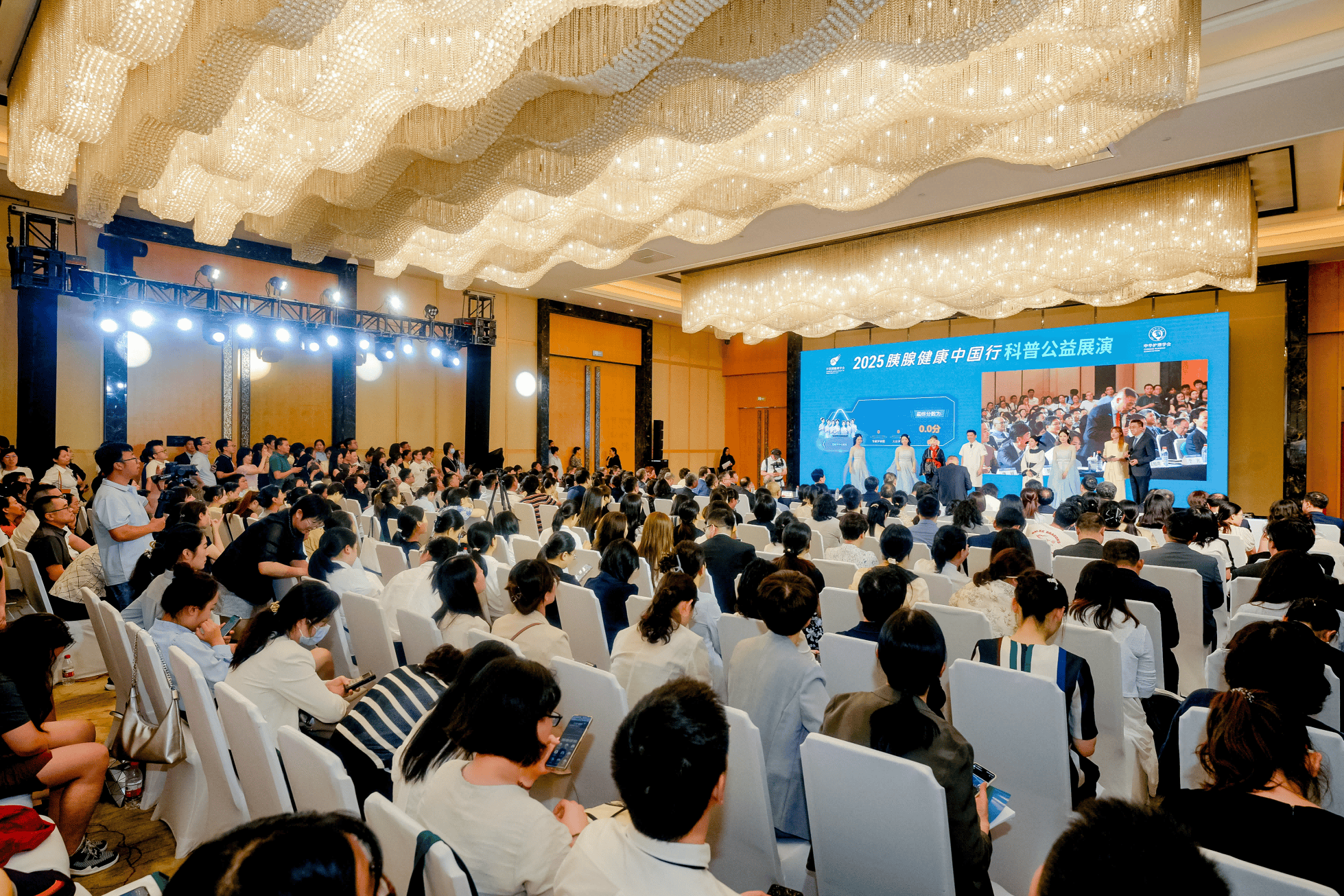
Academician Yupei Zhao has long championed shifting pancreatic-disease prevention and treatment upstream, emphasizing that raising public awareness of pancreatic health is the crucial link in achieving early prevention, diagnosis, and treatment. In March of this year, CAP issued the “Call for Entries” for the Science Popularization Competition, and institutions nationwide responded enthusiastically. Eighteen provinces and municipalities and thirty-nine hospitals submitted eighty-three entries. After two rounds of preliminary review, more than thirty judges assessed each entry on scientific rigor, entertainment value, visual appeal, and communicative impact. In the end, fifteen teams advanced to the finals for live innovation showcases; fifteen entries were selected for the Featured Showcase; and thirty for the Special Showcase.
The competition introduced a dual-mentor system of “Science plus Media,” with distinguished figures from both domains serving as mentors. Scientific mentors included Professor Yinmo Yang, Director of Peking University First Hospital; Professor Baiyong Shen, Vice President of Ruijin Hospital, Shanghai Jiao Tong University School of Medicine; Professor Kuirong Jiang, Vice President of the First Affiliated Hospital of Nanjing Medical University; Professor Jihui Hao, President of Tianjin Medical University and Director of Tianjin Cancer Hospital; and Professor Xinjun Wu, President of the Chinese Nursing Association. Media mentors included Jingdan Xiao, Deputy President of Health News Agency; Tian Tian, Deputy Director of Beijing Satellite TV; Li Zhang, former Deputy Director of Beijing Satellite TV; Fengge Tian, producer of CCTV’s “Health Road”; Xiaohong Jia, senior reporter for Beijing Daily; well-known influencer Xiaolei Wang (Liushen Leilei). The finals were hosted by renowned Beijing TV anchor Yuè Yuè and national health-science communication expert Professor Kang Yu of Peking Union Medical College Hospital’s Department of Clinical Nutrition. More than one hundred representatives from CAP and the Chinese Nursing Association served as expert and public judges.
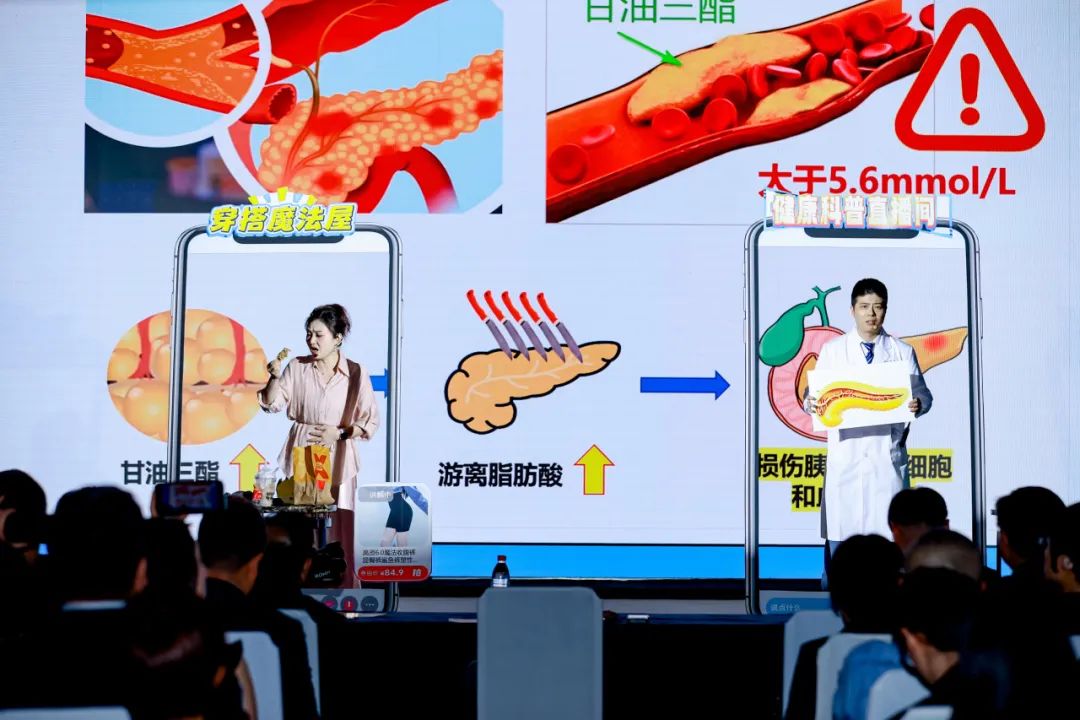
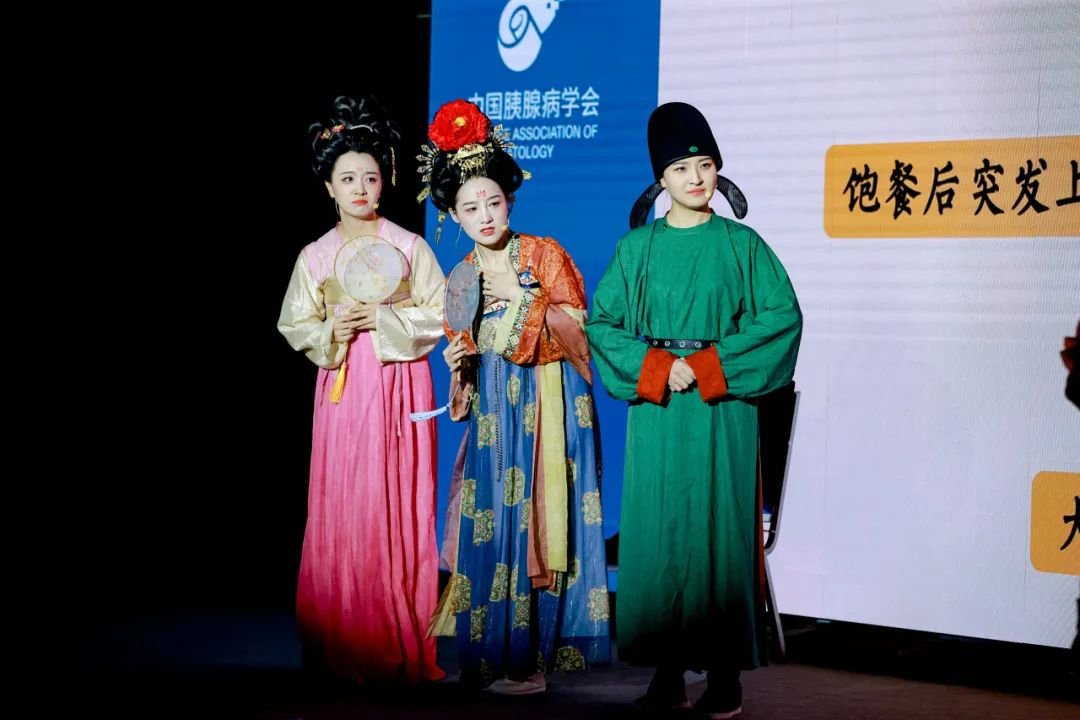

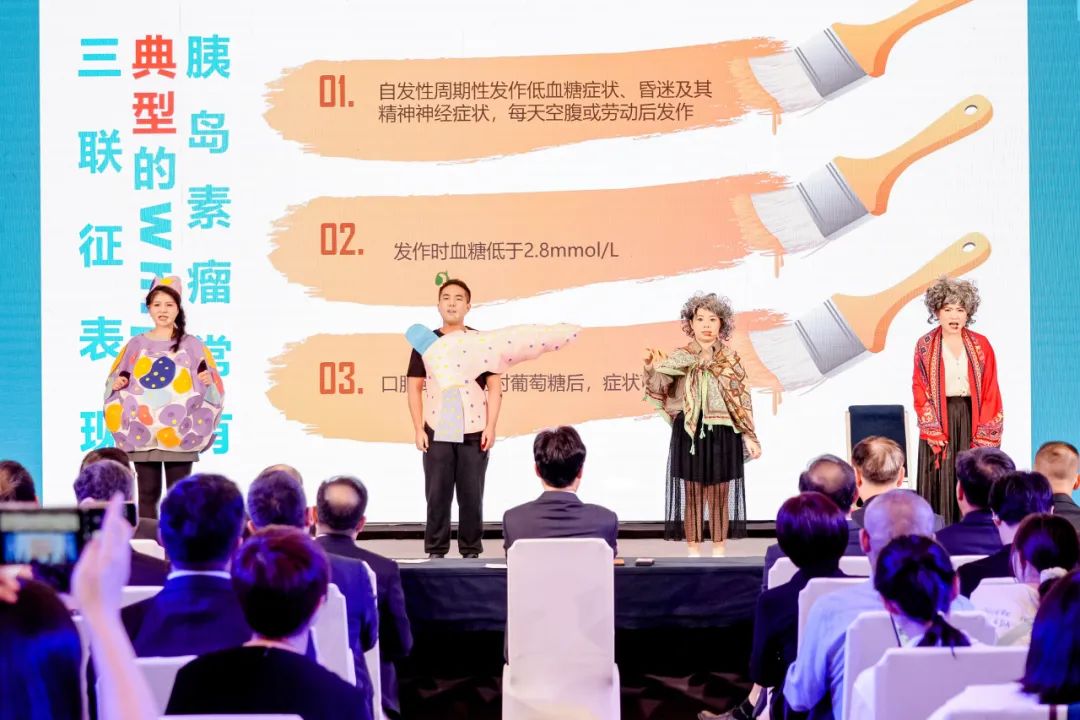
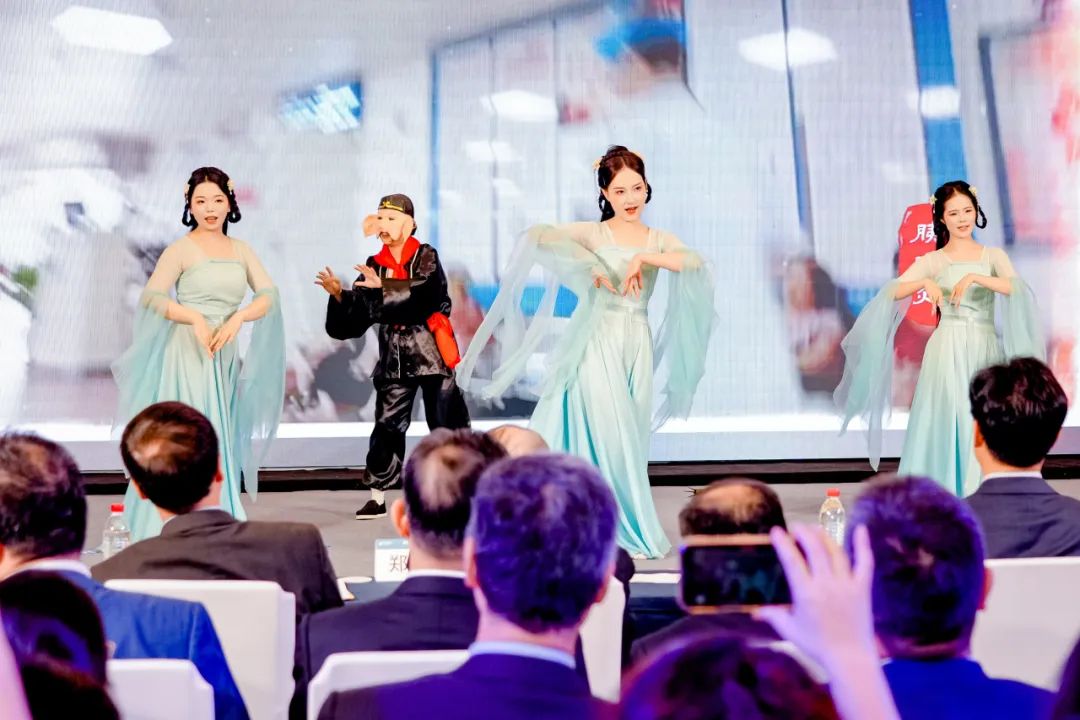
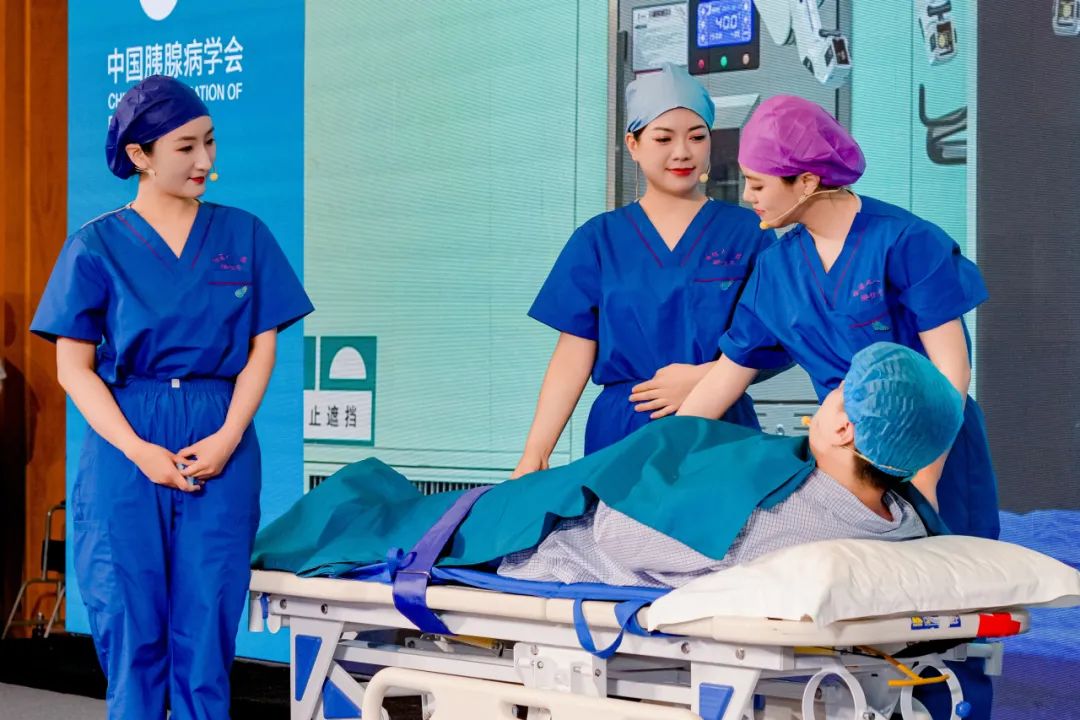
The contestants’ dynamic performances held both the live and online audiences spellbound. They tackled topics of widespread public concern, hot-button medical issues, and patients’ real-world questions through diverse formats—dance, song, cross-talk, rhythmic clapper talk, situational skits, short dramas, and full-stage plays. They ingeniously wove in classic cultural IPs like Journey to the West, cutting-edge AI technology, “live-stream shopping” formats, time-travel elements, and traditional Hanfu dress to create a fusion of ancient and modern, professional and playful—breaking down the “fourth wall” of pancreatic science. Behind every creative idea lay the contestants’ passion and dedication to health education: more than knowledge transfer, these acts were celebrations of life itself. Highlights included titles such as “Exploring Robotic Pancreatic Surgery,” “Journey to the West: The Sugar-Control Chronicles,” “The AI Butler’s Secret Plot,” and “Don’t Let Illusions Deceive Your Eyes.” These outstanding concepts demonstrated not only the teams’ solid professional foundations and exceptional ability to translate medical knowledge into plain language, but also the mentors’ and participants’ wholehearted investment in nurturing these science-communication “blooms.”
At the finals, mentors engaged in lively banter to rally support for their teams. A giant screen continuously updated each team’s score, and invited experts’ incisive comments sent the excitement soaring. “Pancreatic diseases are insidious and life-threatening,” remarked Li Zhang, former Deputy Director of Beijing Satellite TV. “When these science-based messages reach every household through multiple channels, their value to society is immeasurable. The contestants’ diverse formats—from animation to interactive segments to heartfelt narratives—will ensure this life-preserving scientific movement endures, benefiting even more people.” Professor Fei Li of Xuanwu Hospital, Capital Medical University, noted, “Pancreatic diseases manifest differently in each individual, making health education especially vital. The teams skillfully fused scientific accuracy, professional depth, and entertainment, using clear language to guide patients on when to raise alarms and respond promptly to abnormal indicators. Such practices of popularization have tremendous value.” As the competition drew to a close, hosts Yuè Yuè and Professor Kang Yu reflected, “This contest not only revealed how this ‘silent organ’ deep within us sustains the joy of daily eating and the balance of life, but also showcased the limitless charm of medical popularization.” Online viewers chimed in: “I learned so much!” “Absolutely brilliant—truly a nationwide mobilization for pancreatic health.”
“Together in Health, Together on the Pancreatic Path”. This Science Popularization Competition built a national stage where young pancreatology healthcare professionals could compete, learn, and exchange ideas. It has become a vivid enactment of the Healthy China initiative within a medical specialty—signifying CAP’s commitment to extending pancreatic-disease prevention and care from professional settings into the public domain, from hospital clinics into community homes. With the ongoing efforts of “clinically savvy, communication-adept” young practitioners, the light of science will surely brighten every corner of public health awareness.