Please enter the keyword
News
More
Advancing the Future of Pancreatology and Building an Innovation Platform for Young Scholars
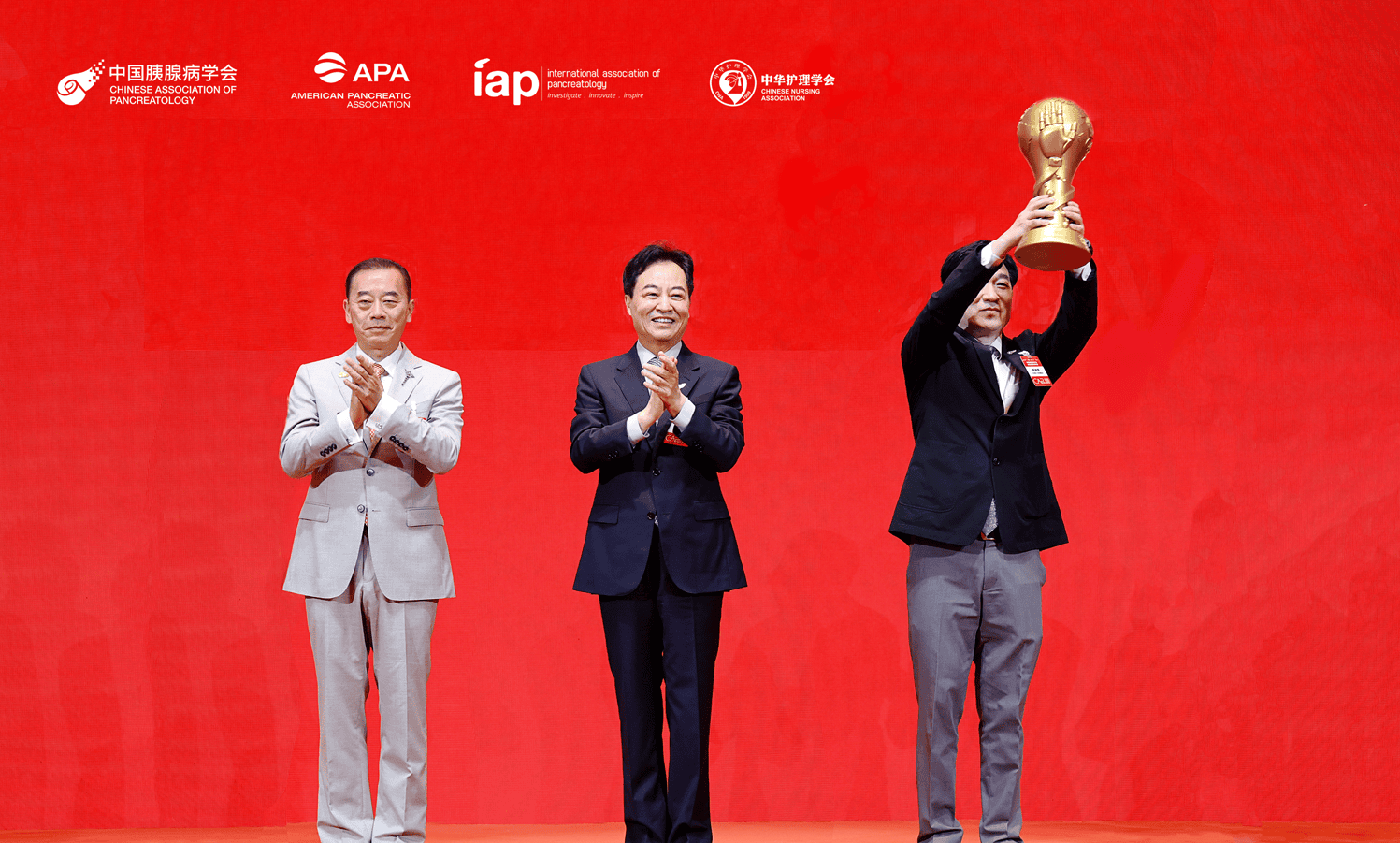
From June 5 to 7, 2026, the CAP 2026 Annual Academic Conference was held in Shanghai. The conference was hosted by the Chinese Association of Pancreatology (CAP), with the American Pancreatic Association (APA), the International Association of Pancreatology (IAP), the Chinese Nursing Association, and the Chinese Society of Biochemistry and Molecular Biology serving as co-organizers. Academician Zhu CHEN, former Vice Chairman of the Standing Committee of the 12th and 13th National People's Congresses and Chief Technical Expert of the National Science and Technology Major Project on the Four Major Chronic Diseases, and Academician Xuetao Cao, Vice Chairperson of the Committee on Education, Science, Culture, Health and Sports of the 14th National Committee of the Chinese People's Political Consultative Conference and Chief Technical Expert of the National Science and Technology Major Project for Innovative Drug Development, attended the opening ceremony. Also attending the opening ceremony were Academician Yupei Zhao, President of CAP; Academician Shusen Zheng, Vice President of CAP; Academician Guang Ning, Academician Jiahong Dong, Academician Qimin Zhan, Academician Jinming Yu, Academician Weihong Tan, Academician Xiuwu Bian, Academician Jia FAN, Academician Xue ZHANG, Academician Gaojun Teng, Academician Kefeng Dou, Academician Zhenglin Yang, Academician Qiang XIA, Academician Xiujun Cai, Academician Jiafu Ji, Academician Jian Zhou; and President Shuyang Zhang of Peking Union Medical College Hospital; Baiyong Shen, Executive Chair of the Conference and Vice President of Ruijin Hospital; President Wu Xinjuan of the Chinese Nursing Association; Professor Ashok Saluja, Secretary of the APA; Professor Sohail Husain, President of the APA; Professor Min Li, former President of the APA; and Professor Kyoichi Takaori, Secretary General of the IAP. Over 5,300 scholars from China and abroad attended the conference, representing CAP, international pancreatology organizations, multiple specialty branches of the Chinese Medical Association, and multiple professional committees of the Chinese Nursing Association. During the conference, the Strategic Symposium on Collaborative Research into Pancreatic Cancer and the Six-Month Progress Meeting of the Pancreatic Cancer Project under the Four Major Chronic Diseases initiative were convened. Academician Zhu CHEN, Chief Technical Expert of the National Science and Technology Major Project on the Four Major Chronic Diseases, attended the meeting and delivered remarks. The meeting was chaired by CAP President Yupei Zhao. Academicians from the Chinese Academy of Sciences and the Chinese Academy of Engineering across multiple disciplines heard a report on the six-month progress of the pancreatic cancer project. They engaged in extensive discussions on the overarching research plan, priority areas for technological breakthroughs, and future implementation of the project. Academician Xuetao Cao delivered the concluding remarks. The CAP Young Scholars Innovation and Development Fund (U45) was officially launched at the conference. Jointly established by CAP and Jiangsu Hengrui Pharmaceuticals Co., Ltd., the Fund is a strategic initiative through which CAP is implementing China's 15th Five-Year Plan, supporting the growth of young talent, and advancing the field of pancreatology. It is open to young scholars under the age of 45 working in pancreatology-related fields and prioritizes three areas: the clinical and research translation of pancreatic disease advances, nursing practice, and discipline management. Category A, Clinical Research and Translation of Research Outcomes, focuses on innovations in clinical diagnosis and treatment and the translation of research findings, with priority given to pancreatic tumors. Each selected project will receive RMB 150,000. Category B, Integrated Nursing Innovation, focuses on optimizing clinical nursing practice, developing innovative models, and translating them into practice. Each selected project will receive RMB 100,000. Category C, Discipline Management Enhancement, focuses on discipline development and management optimization. Each selected project will receive RMB 100,000. Academician Zhu Chen highly commended CAP for establishing the U45 Fund. He noted that young professionals represent the future of medicine. Building an innovation and development platform for them and cultivating the future backbone of pancreatology will contribute to accelerating the Healthy China initiative. To further advance the specialized development of pancreatology and establish a multidisciplinary, full-cycle, and end-to-end development framework for pancreatic diseases—from basic research to clinical practice and from diagnosis and treatment to prevention—CAP conducted extensive consultations nationwide and formally established ten specialty branches: the Society for Science Popularization and Health Communication, the Society for Biliary and Pancreatic Diseases, the Society for Medical Record Management, the Society for Precision Diagnosis and Treatment of Pancreatic Tumors, the Society for Pancreatitis and Inflammation-to-Cancer Transformation, the Society for Digestive Endoscopy, the Society for Cell and Gene Therapy, the Society for Clinical Research on New Drugs, the Society for Medical Imaging, and the Society for Anesthesiology. An appointment ceremony for the chairs of the ten CAP specialty branches was held during the opening ceremony. Public-interest health education is a longstanding CAP program. The 2026 Pancreatic Health China Tour public education initiative was jointly organized by CAP and the Chinese Nursing Association. A total of 315 entries were submitted by 112 hospitals across 28 provinces, municipalities, and autonomous regions, as well as the Macao Special Administrative Region. The entries were presented in three categories: illustrated articles, video showcases, and live performances. Twenty-five teams took part in the live performances at the science popularization session on June 5, while 30 video entries were screened during the conference. Overall, the entries were of high quality and combined scientific rigor, public appeal, and effective communication. These accessible and engaging works built bridges between healthcare professionals and patients, helping pancreatic health knowledge reach households across China. Under the theme of “Multidisciplinary Exchange and Industry–Academia–Research Integration,” the CAP 2026 Annual Academic Conference featured 76 parallel sessions. Participants from 31 disciplines engaged in high-level exchange on academic frontiers and challenging clinical issues, strongly advancing subspecialty development, interdisciplinary collaboration, and the training of young professionals. The international exchange sessions brought together scholars from the United States, France, Germany, Italy, India, Japan, the Republic of Korea, and Saudi Arabia, creating a high-level platform for multilateral academic dialogue. Leading scholars from China and abroad held in-depth discussions and shared findings entirely in English, focusing on advances in basic research and clinical diagnosis and treatment for diseases such as pancreatitis and pancreatic cancer. Dedicated sessions on pancreatic surgery and on new technologies and concepts in the treatment of pancreatic diseases focused on introducing cutting-edge technologies, sharing clinical experience, and collaborating in talent development. These sessions promoted the exchange of academic perspectives and advanced technologies between China and other countries, further enhancing CAP's international influence. The conference received 1,275 submissions from 196 medical institutions across China and from international scholars, including those from Germany and Japan. The submissions covered key areas such as the diagnosis and treatment of pancreatic diseases, basic research, technological innovation, translational therapy, perioperative management, rehabilitation, and nursing. Following review by more than 100 domestic multidisciplinary pancreatology and nursing experts, 34 papers were selected for oral presentation and 160 for poster presentation. The opening ceremony also featured the handover of the CAP Conference Cup. The CAP 2027 Annual Academic Conference is scheduled to take place in Tianjin from May 28 to 30, 2027.
2026-08-14

Innovation China | Kick-off Meeting for IND Application of Innovative CHKα Inhibitor Metabolic Drug in Metastatic Pancreatic Cancer Held in Beijing
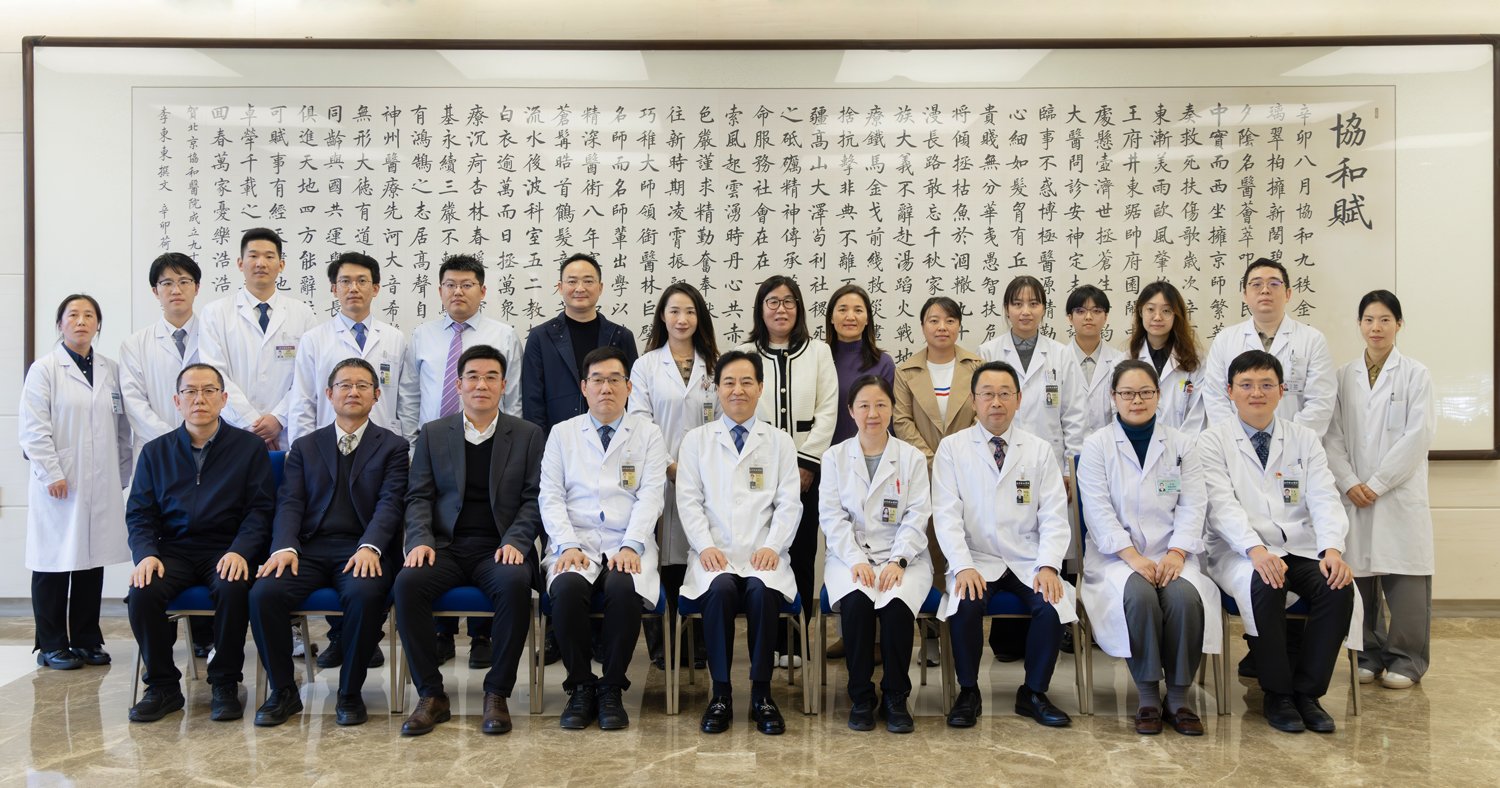
  On October 30, 2025, the project kick-off meeting for the Investigational New Drug (IND) application of an innovative Choline Kinase Alpha (CHKα) Inhibitor metabolic drug for metastatic pancreatic cancer was held at the Academic Hall of Peking Union Medical College Hospital (PUMCH). The meeting was organized by the "Innovation China" Pancreatic Disease Diagnosis and Treatment Technology Innovation and Industrial Transformation Service Team (hereinafter referred to as the "Service Team") of the Chinese Association of Pancreatology (CAP). Distinguished attendees included: Academician Yupei Zhao, President of CAP and Head of the Service Team; Jianjun Chai, Secretary-General of CAP; Professor Junchao Guo, Lead Researcher of the Service Team's Innovative Drug Project; Professor Baolian Wang from the Institute of Materia Medica, Chinese Academy of Medical Sciences; Hua Bai, Deputy Director of the Scientific Research Department at Peking Union Medical College Hospital; Jing Zhang, Deputy Director of the Patent Office of the China National Intellectual Property Administration; Cheng Wang, Chairman of Beijing Mange Pharmaceutical Technology Co., Ltd.; Hongtao Jin, General Manager of Beijing Union-Genius  Pharmaceutical Technology Co., Ltd.; Rui Guo, Deputy Director of Tianjin Kainuo Pharmaceutical Technology Development Co., Ltd.; Representatives from pharmaceutical experts and collaborative enterprises. The meeting was chaired by Associate Professor Xu Qiang, Deputy Director of the Department of General Surgery at Peking Union Medical College Hospital and an expert of the Service Team. Project Lead Professor Junchao Guo provided an overview of the project's progress. Under the leadership of Academician Yupei Zhao, the research team has been working since 2016 under China’s National High-Tech R&D Program (the ‘863 Program’) and related national projects, where they made the groundbreaking discovery that sustained activation of choline kinase alpha (CHKα) serves as a critical driver of pancreatic cancer metastasis. Based on this finding, the team successfully developed CHKI-03, a novel CHKα inhibitor expected to effectively suppress liver metastasis of pancreatic cancer. The project has secured 10 million yuan in funding from the National High Level Hospital Clinical Research Program. The research team is systematically advancing the IND application and preparing for Phase I clinical trials, aiming to achieve a breakthrough in developing China's first innovative drug for metastatic pancreatic cancer. During the meeting, Project Lead Professor Junchao Guo signed a cooperation agreement on behalf of the research team with Mr. Cheng Wang, Chairman of Beijing Mange Pharmaceutical Technology Co., Ltd., the project's collaborative organization. In his address, Secretary-General Jianjun Chai stated that CAP, as a key platform promoting the integrated development of scientific research and industry in pancreatic diseases, has long been committed to advancing basic research, clinical translation, and industrial applications in this field. Under the leadership of Academician Yupei Zhao, the Service Team has maintained its focus on driving the translation of scientific achievements and integrating innovation resources, and facilitates collaborative research initiatives in drug development, disease screening, and patent transformation, while providing enterprises with comprehensive support spanning project initiation, talent cultivation, and policy coordination. Following the kick-off meeting agenda, the participants engaged in discussions focusing on patent strategy and innovative drug registration and approval, and conducted dedicated discussions on the project's research topics. "Innovation China" is a flagship initiative launched by the China Association for Science and Technology to foster innovation, entrepreneurship, and creativity. By establishing industry-academia integration mechanisms and incentive systems, it facilitates talent aggregation, technology integration, and service coordination, while promoting standardized, market-oriented, and globalized technology services to better support socioeconomic development. In 2025, CAP's Service Team for Pancreatic Disease Diagnosis & Treatment Technology Innovation and Industrial Transformation and Service Team for Intelligent Surgical Robotics Development and Clinical Translation were successfully selected for the "Innovation China" Sci-Tech Service Program. These two teams focus on technology translation and medical device clinical applications respectively, covering the entire chain from diagnosis and treatment to device development and policy translation. Supported by the "Innovation China" platform, they aim to provide actionable, implementable, and sustainable sci-tech services for medical enterprises and industrial parks. This meeting established a solid foundation for standardizing the Service Team's projects, accelerating the clinical translation of the small-molecule anti-metastatic drug CHKI-03, and injecting new momentum into advancing pancreatic cancer diagnosis and treatment in China.
2025-11-25
First Branch Established! Inaugural Ceremony of CAP's Society for Science Popularization and Health Communication Held in Shanghai
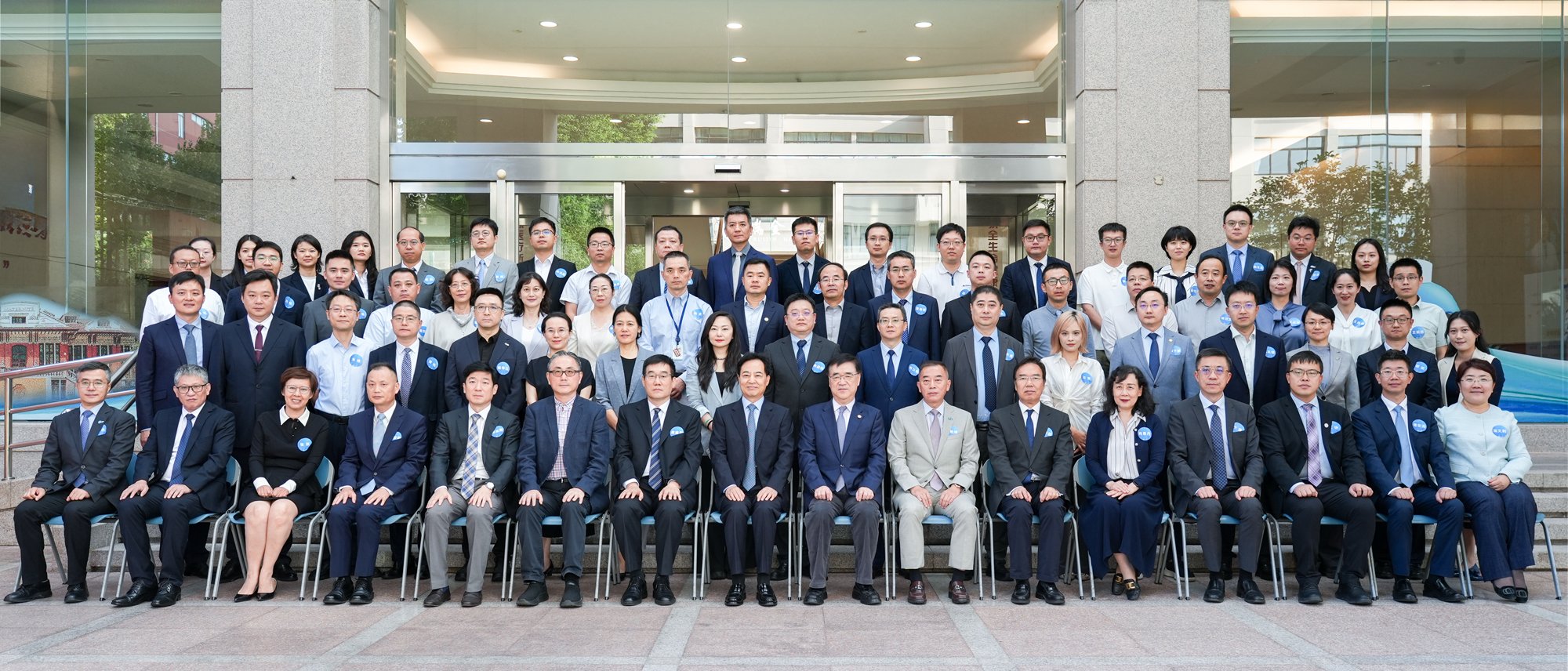
  On the afternoon of October 12, 2025, the inaugural ceremony of the Society for Science Popularization and Health Communication under the Chinese Association of Pancreatology (CAP) was held at Ruijin Hospital Affiliated with Shanghai Jiao Tong University School of Medicine. Academician Yupei Zhao, President of CAP, Academician Guang Ning, Vice President of CAP, and delegates from across the country witnessed the establishment of CAP's first specialized branch. ▲Secretary-General Jianjun Chai Presided Over the Ceremony The inaugural ceremony was chaired by CAP Secretary-General Jianjun Chai. In accordance with the election procedures, the assembly elected the First Committee of the Society, comprising 72 members. Key appointments include:   · Chairperson of the Society: Professor Baiyong Shen, CAP Council Member and Vice President of Shanghai Ruijin Hospital · Vice-Chairpersons: 1.Professor Yinmo Yang, CAP Standing Council Member and President of Peking University First Hospital 2.Professor Jihui Hao, CAP Council Member and President of Tianjin Medical University/Tianjin Medical University Cancer Hospital 3.Professor Kuirong Jiang, CAP Council Member and Vice President of Jiangsu Province Hospital 4.Ms. Jingdan Xiao, Deputy Editor-in-Chief of Health News 5.Professor Kang Yu, Director of Clinical Nutrition Department, Peking Union Medical College Hospital · Secretary-General: Ms. Wenli Duan, Director of the Publicity Department, Peking Union Medical College Hospital · Standing Committee Members: 21 experts including Professor Hong Yu (Sir Run Run Shaw Hospital, Zhejiang University School of Medicine), Dongping Yang (Peking University Third Hospital), and Yan Zuo (Xinmin Evening News) Academicians Yupei Zhao and Guang Ning presented appointment letters to the newly elected leadership. ▲Academicians Yupei Zhao and Guang Ning presented appointment letters to the newly elected leadership Remarks by Newly Elected Chairperson Professor Baiyong Shen Professor Shen emphasized that the Society will advance the integration of "science popularization, scientific research, and clinical practice," taking responsibility in pancreatic health education through more professional, systematic, and efficient approaches to serve society and promote scientific literacy. The CAP places high importance on science popularization and health communication. The establishment of the Society for Science Popularization and Health Communication aims to create an interdisciplinary platform bridging medicine and media, collectively advancing the scientific, professional, systematic, and regular development of pancreatic disease education and health communication in China. The inaugural committee comprises members from medical institutions and media organizations across 20 provinces (autonomous regions and municipalities), selected based on their exemplary expertise, professional competence, broad representation, and influential standing. The committee brings together mentors from the first Pancreatic Health China Initiative “Science Popularization Competition”, young and middle-aged experts from nationally representative pancreatic disease centers and participating institutions, along with leaders from hospital communication departments and media representatives. Notably, 88.6% of members hold senior professional titles, while 35% are under 40 years of age, forming a multidisciplinary team with a well-balanced structure. ▲Group Photo of the First Committee Members and Guests The event also featured a dedicated academic exchange session. Vice Chair Jihui Hao presided over the keynote presentations, where Director Tong Wang from the Shanghai Municipal Health Commission's Health Promotion Department delivered a speech titled "Creating a 'Shanghai Model' for Health Science Popularization to Support the Healthy China Strategy," sharing Shanghai's practical experience in building a health science popularization system. Vice Chair Kang Yu presented "The Significance, Key Elements, and Role of Nutrition Science Popularization in Chronic Disease Management - My Personal Experience," offering insights gained from decades of work in public health education. During the panel discussion moderated by Vice Chair Kuirong Jiang, Standing Committee Members Li Zhang (former Deputy Director of Beijing Television), Zheng Wang (President Assistant of the First Affiliated Hospital of Xi'an Jiaotong University), and Zipeng Lu (Deputy Director of the Pancreas Center at Jiangsu Province Hospital), along with Liwei Yu (Marketing Director of Jiangsu Hengrui Pharmaceuticals), delivered insightful presentations drawing from their respective professional expertise. In his concluding remarks, Vice Chair Yinmo Yang emphasized that the establishment of this Society fills an important gap in specialized science communication within China's pancreatology field, marking the beginning of a new era characterized by "systematic integration" in pancreatic health education. Moving forward, under the guidance of CAP, the Society will thoroughly implement the Healthy China strategy, integrate diverse resources, and innovate communication approaches. These efforts will enhance both healthcare professionals' science communication skills and public health literacy, ensuring that evidence-based pancreatic health knowledge reaches broader populations. The Society is committed to injecting new vitality into pancreatic disease prevention and treatment, making substantial contributions to the Healthy China initiative.
2025-11-25
CAP's 2025 "Pancreatic Health China Initiative" Jinan Event & Shandong Provincial Hospital Pancreatic Disease Center Inaugurated Successfully
  October 17, 2025 - The academic conference of CAP's 2025 "Pancreatic Health China Initiative" Jinan stop, along with the inauguration ceremony and development seminar for the Pancreatic Disease Diagnosis and Treatment Center at Shandong Provincial Hospital Affiliated to Shandong First Medical University, were successfully held in Jinan, Shandong Province.   Pancreatic Disease Center Established: Creating a Regional "Shandong Protocol" The events were attended by distinguished participants including: Academician Yupei Zhao, CAP President and Honorary President of Peking Union Medical College Hospital (PUMCH). Vice Governor Ping Chen of Shandong Province; Jianjun Chai, Secretary-General of CAP; Chaowen Xue, Deputy Secretary-General of Shandong Provincial Government; Director Lixin Ma, Party Secretary of Shandong Health Commission and Administrator of Provincial Administration of Traditional Chinese Medicine; Secretary Sijin Liu, Party Secretary of Shandong First Medical University; Secretary Xiangdong Wu, Deputy Party Secretary of the University and Party Secretary of the Hospital; President Yingying Qin, Deputy Party Secretary of the Hospital. The meetings also gathered leaders from CAP, Provincial Health Commission, the University, and the Hospital, alongside representatives of medical staff. At the event, the CAP and Shandong Provincial Hospital jointly signed a cooperation agreement, marking the official establishment of the Pancreatic Disease Diagnosis and Treatment Center at Shandong Provincial Hospital.   Academician Zhao Yupei pointed out in his speech that the CAP will fully leverage its platform and expert advantages to guide and participate in the construction of the Pancreatic Disease Diagnosis and Treatment Center at Shandong Provincial Hospital. A comprehensive management system covering patient visits, examinations, diagnosis, treatment, rehabilitation, and follow-ups will be established, gradually forming a pancreatic disease diagnosis and treatment "Shandong Plan" with regional characteristics, achieving the goal of comprehensive pancreatic disease diagnosis and treatment “within Shandong Province”.   Vice Governor Ping Chen pointed out that, as the vanguard of the province's healthcare system, Shandong Provincial Hospital's integration of multiple specialties to establish the Pancreatic Disease Diagnosis and Treatment Center represents both a synergistic alliance between a provincial flagship institution and a national academic platform, and a profound fusion of clinical practice with scientific research. He expressed hope that the hospital will seize this opportunity to continuously enhance its pancreatic disease management capabilities, deliver higher-quality and more efficient medical services, and contribute Shandong's strength to the Healthy China initiative. Party Secretary Xiangdong Wu stated that the establishment of the Pancreatic Disease Diagnosis and Treatment Center is an important initiative for the Shandong Provincial Hospital to serve patients and benefit society. The Shandong Provincial Hospital will leverage the national platform of the Chinese Pancreatic Disease Society to provide higher-quality pancreatic disease diagnosis and treatment services for the public. President Yingying Qin noted that the Center's establishment signifies that the Shandong Provincial Hospital's pancreatic disease management has entered a strategic new phase integrating medical care, education, research, and prevention. The hospital will use the Center as a fulcrum to tackle clinical challenges, deepen top-tier collaborations, and contribute to regional prevention and control of serious diseases as well as self-reliance and self-improvement in medical science and technology.   During the seminar, renowned national experts jointly provided insights and recommendations for the development of the Pancreatic Disease Diagnosis and Treatment Center at Shandong Provincial Hospital. The participating experts included: Yinmo Yang, President and Deputy Party Secretary of Peking University First Hospital; Baiyong Shen, Vice President of Ruijin Hospital Affiliated to Shanghai Jiao Tong University School of Medicine; Xianjun Yu, President of Fudan University Shanghai Cancer Center; Bei Sun, President of the First Affiliated Hospital of Harbin Medical University; Fei Li, Director of General Surgery at Xuanwu Hospital, Capital Medical University; Feng Wei, Vice President of the First Bethune Hospital of Jilin University and Director of Pancreatic Surgery;Xuewei Bai, Director of the Pancreatic Disease Diagnosis and Treatment Center at the First Affiliated Hospital of Harbin Medical University;Lei Qin, Director of the Pancreatic Disease Diagnosis and Treatment Center at the First Affiliated Hospital of Soochow University;Changqing Yan, Director of the Pancreatic Disease Diagnosis and Treatment Center at the Second Hospital of Hebei Medical University.   "Pancreatic Health China Initiative" Jinan Event: Advancing Clinical Excellence and Health Education The academic conference for the CAP 2025 "Pancreatic Health China Initiative" Jinan stop, jointly organized by the CAP and hosted by Shandong Provincial Hospital, was held on the same day. The event gathered distinguished participants including: Academician Yupei Zhao, CAP President and Honorary President of PUMCH; Jianjun Chai, Secretary-General of CAP; Xiangdong Wu, Deputy Party Secretary of Shandong Provincial Hospital; Yingying Qin, Deputy Party Secretary and President of Shandong Provincial Hospital; Qiang Zhu, Vice President of Shandong Provincial Clinical College; Representatives from CAP leadership, Medical staff from relevant departments and clinical divisions of Shandong Provincial Hospital, Delegates from member institutions of the Hospital's Pancreatic Disease Specialty Alliance. The conference was chaired by Director Jun Liu of the Pancreatic Disease Diagnosis and Treatment Center at Shandong Provincial Hospital. Academician Yupei Zhao emphasized in his address that pancreatic diseases represent a global health challenge. The launch of the "Pancreatic Health China Initiative" in Shandong as its first stop aims to disseminate pancreatic health knowledge and advance diagnostic and treatment technologies. By leveraging Shandong's strong medical infrastructure and the Shandong Provincial Hospital’s regional reach, the initiative will foster high-level academic exchanges to mobilize broader engagement in pancreatic disease prevention. It will further propagate advanced concepts, technologies, and service models in this field, ultimately enhancing societal awareness and management of pancreatic health. Secretary Xiangdong Wu outlined the Shandong Provincial Hospital's pioneering efforts in minimally invasive treatments, comprehensive care, and multidisciplinary collaboration for pancreatic diseases. The Pancreatic Disease Diagnosis and Treatment Center will capitalize on high-quality resources from CAP, integrating multidisciplinary expertise to address key clinical challenges and continuously enhance the quality of diagnostic and therapeutic services. Expert Report   Expert Commentary During the academic presentation session, renowned Chinese experts delivered specialized reports on cutting-edge topics: Professor Xianjun Yu addressed precision treatment in pancreatic surgery; Professor Baiyong Shen shared new insights into mixed-type pancreatic cancer; Professor Yinmo Yang discussed personalized targeted therapy; Professor Xuewei Bai explored robotic minimally invasive surgery; The session was chaired and moderated by professors Bei Sun, Fei Li, Feng Wei, and Changqing Yan, sparking lively discussions among participants. In his concluding remarks, Professor Jun Liu, Director of the Pancreatic Disease Diagnosis and Treatment Center at Shandong Provincial Hospital, emphasized the commitment to transitioning from a "discipline-centered" to a "disease-centered" diagnostic and treatment model. The center will fully implement the MDT-based diagnostic and treatment mechanism, ensuring that each pancreatic cancer patient receives an individualized treatment plan developed by a multidisciplinary team, ultimately achieving standardized, efficient, and patient-centered care. The "Pancreatic Health China Initiative" launched by the CAP adopts the theme "On the Pancreatic Journey: Health in Partnership" and operates under the principle of "Regional Impact, Resource Decentralization, Grassroots Focus." Leveraging five national pancreatic disease diagnosis and treatment centers, the initiative integrates high-quality medical resources to form an expert delegation. Implementation strategies include: Discipline development, Talent cultivation, Surgical roadshows, Complex case consultations, Research projects, Expert lectures, Achievement translation, Skill-building workshops, Mobile medical services, Science popularization. The program aims to disseminate pancreatic health knowledge, decentralize premium medical resources, enhance primary care capabilities, and promote balanced development of China's pancreatic disease prevention and treatment system.
2025-11-25
Advancing the Multidisciplinary and International Progress of Pancreatology——The Chinese Association of Pancreatology 2025 Annual Academic Conference
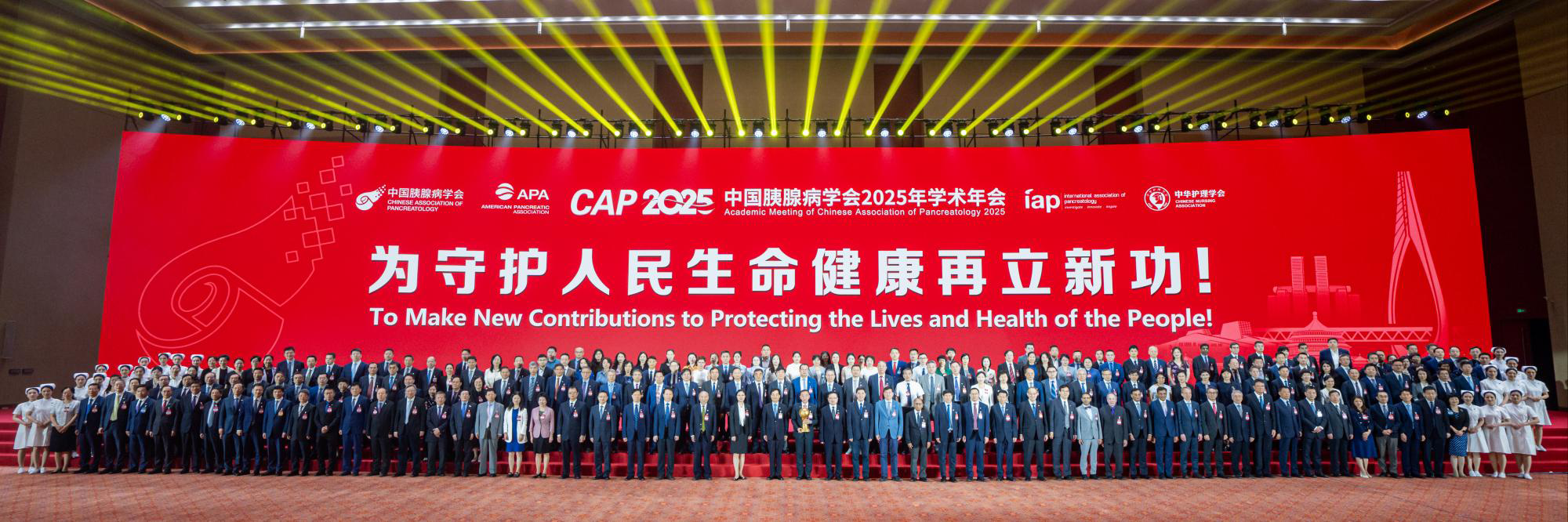
  From June 20 to 22, 2025, the Chinese Association of Pancreatology (CAP) hosted the 2025 Annual Academic Conference in Chongqing, co-organized by the American Pancreatic Association (APA), the International Association of Pancreatology (IAP), and the Chinese Nursing Association. This year’s conference centered on multidisciplinary exchange and industry–academia–research integration, delivering high-density, high-quality academic sharing and cross-disciplinary interactions through keynote presentations, frontier technology exhibitions, multidisciplinary case-sharing, and surgical demonstrations, all aimed at collectively advancing the development of global pancreatology. This deep integration, breaking down disciplinary barriers, fully exemplifies a transformative shift in pancreatic disease management from “solo breakthroughs” and “isolated operations” to “coordinated group strategies”.   At the opening ceremony, the awards presentation for the 2025 “Pancreatic Health China Tour” Science Popularization Competition, the plaque-awarding ceremony for the Pancreatic Disease Treatment Centers, and the Chinese Association of Pancreatology conference gavel handover all took place successfully.  CAP President Academician Yupei Zhao stated that co-hosting this year’s meeting with the Chinese Nursing Association marks an accelerated shift toward deep “medical–nursing–patient integration” in pancreatic disease care, promising patients a smoother and more compassionate integrated service experience. The opening was attended by Qian Qu, Vice Chairman of the Standing Committee of the Chongqing Municipal People’s Congress; Lichun Shu, Party Secretary of Chongqing University; and Academicians Shusen Zheng, Jiahong Dong, Qimin Zhan, Xiuwu Bian, and Kefeng Dou. More than 3,000 experts and scholars from 19 disciplines at home and abroad joined the conference. Also present were CAP board members and general membership, plus experts and nursing colleagues from multiple specialty branches of the Chinese Medical Association and professional committees of the Chinese Nursing Association. To thoroughly implement the national “Healthy China” strategy, raise public awareness of pancreatic diseases, enhance diagnostic and treatment capabilities at grassroots medical institutions, and establish a model project for expanding and decentralizing high-quality medical resources, CAP officially launched the “Pancreatic Health China Tour” series of public-welfare initiatives. Raising national awareness of pancreatic health is a key step in achieving early prevention, diagnosis, and treatment of pancreatic diseases. CAP and the Chinese Nursing Association jointly organized the First Pancreatic Health Science Popularization Competition. After two rounds of preliminary judging, 15 teams advanced to the finals for innovative live showcases, 15 entries were selected for the Featured Showcase, and 30 entries for the Special Showcase. The 15 finalist teams competed in an offline final in Chongqing. The event was streamed live by nearly ten media outlets—including Xinhua Net and the People’s Daily Health App—garnering over 4.4 million views online.This competition provided a national stage for young pancreatology healthcare professionals to compete, learn, and exchange ideas. It became a vivid example of the Healthy China initiative in a specialty field and marked CAP’s commitment to extending pancreatic disease prevention and care from the professional domain to the public sphere, and from hospital clinics into communities and homes—letting the light of science illuminate every corner of health awareness.   The CAP Academic  cup handover ceremony was also conducted at the opening. The 2026 CAP Annual Academic Conference will be hosted by Ruijin Hospital, Shanghai Jiao Tong University School of Medicine. There are four academic highlights of this conference, which are the shaping of the academic landscape of pancreatology; the deep integration of artificial intelligence with pancreatic medicine; the standardized advancement of multidisciplinary diagnosis and treatment; and the multidimensional construction of an international collaborative network.   For the 2025 meeting, CAP issued a global call for submissions and received 1,339 manuscripts from nearly 800 scholars, establishing an academic pattern characterized by “leading institutions guiding the field, diverse stakeholders collaborating, and broad regional coverage,” and deeply showcasing frontier technologies and innovative concepts in pancreatology. Building on these cutting-edge results, the conference meticulously designed a multidimensional academic exchange framework, with 29 subforums—spanning pancreatic surgery, endoscopy, endocrinology, nutrition, nursing, pain management, diagnostic radiology, ultrasound, radiotherapy, clinical laboratory medicine, and oncology clinical pharmacology research—plus more than ten themed symposia. Over 400 academicians and renowned experts from China and abroad shared their experience and engaged in scholarly discussion. At this year’s meeting, the Pancreatic Disease Research Institute was officially launched, with dedicated research funds and talent-development programs established to support young investigators with high innovation potential.   At the conference, a comprehensive artificial intelligence technology matrix debuted, comprising the Artificial Intelligence Session; a dedicated session on domestic surgical robot applications in hepato-pancreato-biliary surgery; and the Robotic Pancreatic Surgery Session. Distinguished experts delivered in-depth presentations on digital, intelligent diagnostic and therapeutic technologies—focusing on the application and adoption of surgical robots, AI algorithms, and navigation systems in complex pancreatic operations—further extending the application boundaries of digital intelligence in surgical practice. This platform united medical specialists and AI researchers in technical exchange, underscoring the vast prospects and immense potential of artificial intelligence in the field of pancreatic disease.   A multidisciplinary case consultation on challenging pancreatic cases—organized by Peking Union Medical College Hospital(PUMCH), West China Hospital of Sichuan University, the Second Affiliated Hospital of Kunming Medical University, and Chongqing People’s Hospital—showcased the diagnostic and therapeutic thinking of top MDT teams, creating another conference climax. PUMCH’s presentation of “rare and complex cases” offered a deep analysis of the decision-making logic for surgical intervention timing; West China Hospital shared its strategy selection for treating advanced malignant pancreatic tumors and explored tiered decision pathways. Using a “case practice + expert commentary” format, the session employed real, challenging cases as “teaching materials,” with multidisciplinary experts collaboratively “lecturing,” thereby providing clinicians with the “golden keys” to solving pancreatic disease challenges and effectively empowering the growth of young physicians.   CAP and Chinese scholars have made significant contributions to global pancreatic disease research and care. This year’s meeting featured five English-language subforums, where leading scholars from the USA, Japan, Germany, India, Australia, Iran, Saudi Arabia, and other countries met face-to-face with China’s pancreatic experts to discuss current hot topics, frontier findings, and the latest clinical advances. Aligned with the shared goal of “advancing pancreatology research and disseminating medical knowledge,” CAP and leading international pancreatology societies signed a strategic cooperation agreement at the conference. The partnership will establish formal collaboration and liaison mechanisms, strengthen academic and scientific communication, and organize joint workshops and symposia. This agreement is poised to accelerate the localization and clinical translation of the world’s latest pancreatic-disease breakthroughs in China, while amplifying the voice of Chinese scholars on the global stage—contributing “Chinese wisdom” and “Chinese solutions” to one of humanity’s most formidable medical challenges—pancreatic diseases.  
2025-06-30
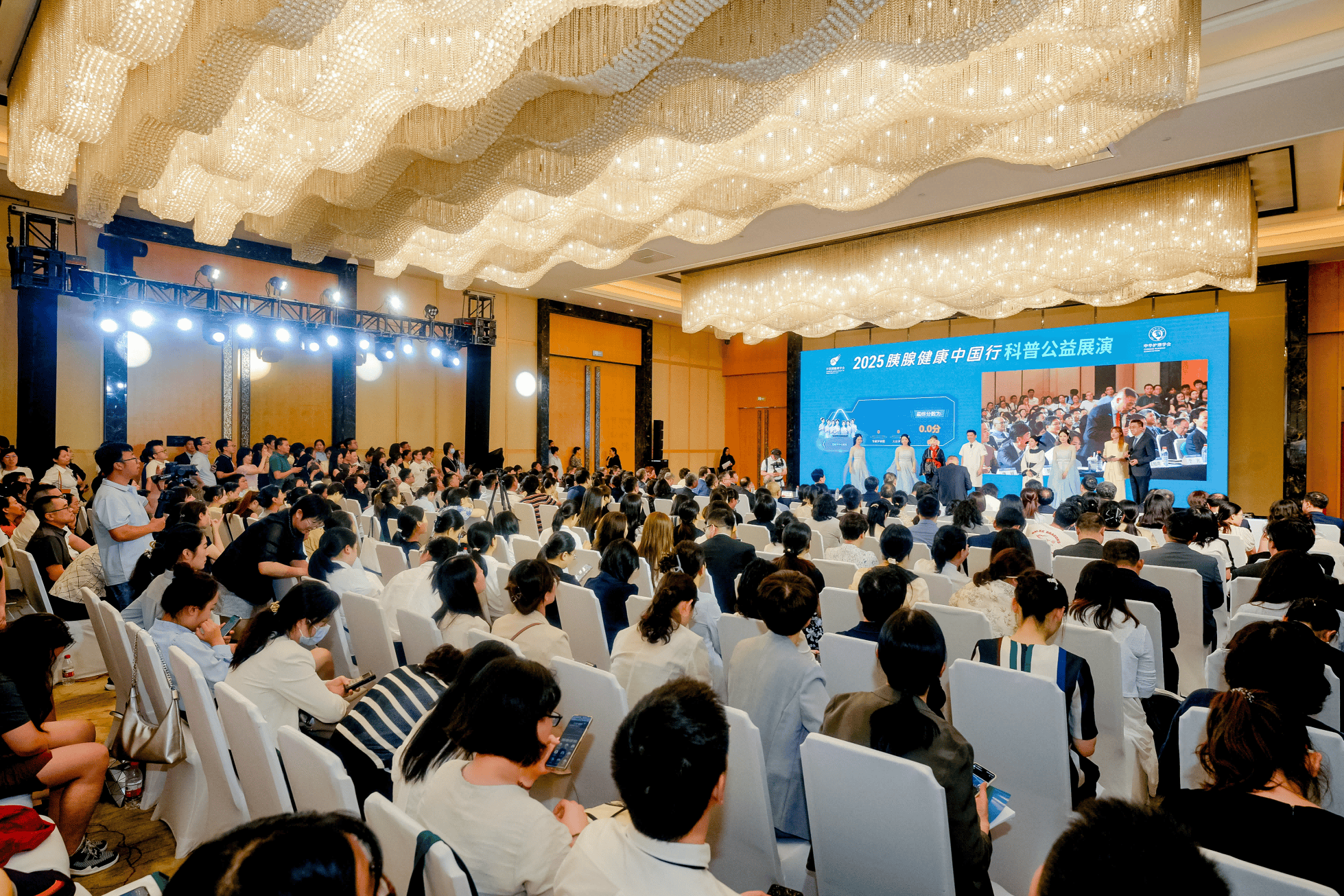
Igniting Excitement! The 2025 “Pancreatic Health China Tour” Science Popularization Competition Finals Stage a Peak Showdown
  On the afternoon of June 20, under the guidance of the China Association for Science and Technology and jointly hosted by the Chinese Association of Pancreatology (CAP) and the Chinese Nursing Association—with Peking Union Medical College Hospital serving as organizer—the finals of the 2025 “Pancreatic Health China Tour” Science Popularization Competition were held in Chongqing. The event attracted a star-studded lineup of mentors and full houses of spectators. Fifteen competing teams, together with their scientific and media mentors, formed five “battle fleets” named “Yi Fan Feng Shun” (Yi is the Chinese pronunciation of pancreas.), “Yi Lu Tong Xing”, “Yi Tan Jiu Jing”, “Yi Chui San Xiang in Beijing-Shanghai-Guizhou” and “Yi Wang Wu Qian” and they squared off in a thrilling, head-to-head contest. Academician Yupei Zhao, President of CAP, alongside Academician Shusen Zheng and Academician Guang Ning, Vice Presidents of CAP, attended as expert judges. The competition was broadcast live in full by nearly ten media outlets—including Xinhua Net, the People’s Daily Health App, CCTV’s “Health Road”, Tencent Medpedia, The Physician’s Daily, China Medical Tribune, and Health Times—garnering over 4.4 million views online. Academician Yupei Zhao has long championed shifting pancreatic-disease prevention and treatment upstream, emphasizing that raising public awareness of pancreatic health is the crucial link in achieving early prevention, diagnosis, and treatment. In March of this year, CAP issued the “Call for Entries” for the Science Popularization Competition, and institutions nationwide responded enthusiastically. Eighteen provinces and municipalities and thirty-nine hospitals submitted eighty-three entries. After two rounds of preliminary review, more than thirty judges assessed each entry on scientific rigor, entertainment value, visual appeal, and communicative impact. In the end, fifteen teams advanced to the finals for live innovation showcases; fifteen entries were selected for the Featured Showcase; and thirty for the Special Showcase. The competition introduced a dual-mentor system of “Science plus Media,” with distinguished figures from both domains serving as mentors. Scientific mentors included Professor Yinmo Yang, Director of Peking University First Hospital; Professor Baiyong Shen, Vice President of Ruijin Hospital, Shanghai Jiao Tong University School of Medicine; Professor Kuirong Jiang, Vice President of the First Affiliated Hospital of Nanjing Medical University; Professor Jihui Hao, President of Tianjin Medical University and Director of Tianjin Cancer Hospital; and Professor Xinjun Wu, President of the Chinese Nursing Association. Media mentors included Jingdan Xiao, Deputy President of Health News Agency; Tian Tian, Deputy Director of Beijing Satellite TV; Li Zhang, former Deputy Director of Beijing Satellite TV; Fengge Tian, producer of CCTV’s “Health Road”; Xiaohong Jia, senior reporter for Beijing Daily; well-known influencer Xiaolei Wang (Liushen Leilei). The finals were hosted by renowned Beijing TV anchor Yuè Yuè and national health-science communication expert Professor Kang Yu of Peking Union Medical College Hospital’s Department of Clinical Nutrition. More than one hundred representatives from CAP and the Chinese Nursing Association served as expert and public judges.   The contestants’ dynamic performances held both the live and online audiences spellbound. They tackled topics of widespread public concern, hot-button medical issues, and patients’ real-world questions through diverse formats—dance, song, cross-talk, rhythmic clapper talk, situational skits, short dramas, and full-stage plays. They ingeniously wove in classic cultural IPs like Journey to the West, cutting-edge AI technology, “live-stream shopping” formats, time-travel elements, and traditional Hanfu dress to create a fusion of ancient and modern, professional and playful—breaking down the “fourth wall” of pancreatic science. Behind every creative idea lay the contestants’ passion and dedication to health education: more than knowledge transfer, these acts were celebrations of life itself. Highlights included titles such as “Exploring Robotic Pancreatic Surgery,” “Journey to the West: The Sugar-Control Chronicles,” “The AI Butler’s Secret Plot,” and “Don’t Let Illusions Deceive Your Eyes.” These outstanding concepts demonstrated not only the teams’ solid professional foundations and exceptional ability to translate medical knowledge into plain language, but also the mentors’ and participants’ wholehearted investment in nurturing these science-communication “blooms.” At the finals, mentors engaged in lively banter to rally support for their teams. A giant screen continuously updated each team’s score, and invited experts’ incisive comments sent the excitement soaring. “Pancreatic diseases are insidious and life-threatening,” remarked Li Zhang, former Deputy Director of Beijing Satellite TV. “When these science-based messages reach every household through multiple channels, their value to society is immeasurable. The contestants’ diverse formats—from animation to interactive segments to heartfelt narratives—will ensure this life-preserving scientific movement endures, benefiting even more people.” Professor Fei Li of Xuanwu Hospital, Capital Medical University, noted, “Pancreatic diseases manifest differently in each individual, making health education especially vital. The teams skillfully fused scientific accuracy, professional depth, and entertainment, using clear language to guide patients on when to raise alarms and respond promptly to abnormal indicators. Such practices of popularization have tremendous value.” As the competition drew to a close, hosts Yuè Yuè and Professor Kang Yu reflected, “This contest not only revealed how this ‘silent organ’ deep within us sustains the joy of daily eating and the balance of life, but also showcased the limitless charm of medical popularization.” Online viewers chimed in: “I learned so much!” “Absolutely brilliant—truly a nationwide mobilization for pancreatic health.” “Together in Health, Together on the Pancreatic Path”. This Science Popularization Competition built a national stage where young pancreatology healthcare professionals could compete, learn, and exchange ideas. It has become a vivid enactment of the Healthy China initiative within a medical specialty—signifying CAP’s commitment to extending pancreatic-disease prevention and care from professional settings into the public domain, from hospital clinics into community homes. With the ongoing efforts of “clinically savvy, communication-adept” young practitioners, the light of science will surely brighten every corner of public health awareness.
2025-06-28
Introduction to the CAP
The Chinese Association of Pancreatic Diseases (CAP) is a national first level society officially registered and established in 2022 with the approval of the Ministry of Civil Affairs. It is a professional, academic, non-profit social organization voluntarily composed of workers engaged in the diagnosis, treatment, and research of pancreatic diseases
5
Pancreatic Diseases Center
9
Specialty Branches
20
Institutional Members
2580
Individual Members