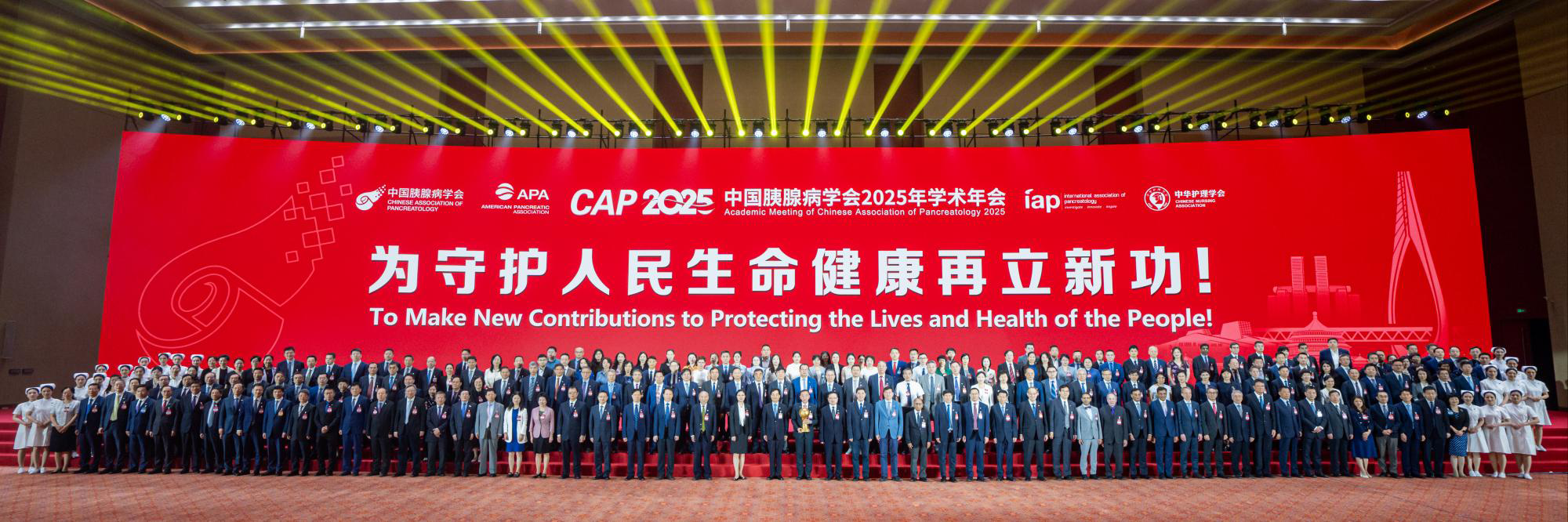

From June 20 to 22, 2025, the Chinese Association of Pancreatology (CAP) hosted the 2025 Annual Academic Conference in Chongqing, co-organized by the American Pancreatic Association (APA), the International Association of Pancreatology (IAP), and the Chinese Nursing Association. This year’s conference centered on multidisciplinary exchange and industry–academia–research integration, delivering high-density, high-quality academic sharing and cross-disciplinary interactions through keynote presentations, frontier technology exhibitions, multidisciplinary case-sharing, and surgical demonstrations, all aimed at collectively advancing the development of global pancreatology. This deep integration, breaking down disciplinary barriers, fully exemplifies a transformative shift in pancreatic disease management from “solo breakthroughs” and “isolated operations” to “coordinated group strategies”.
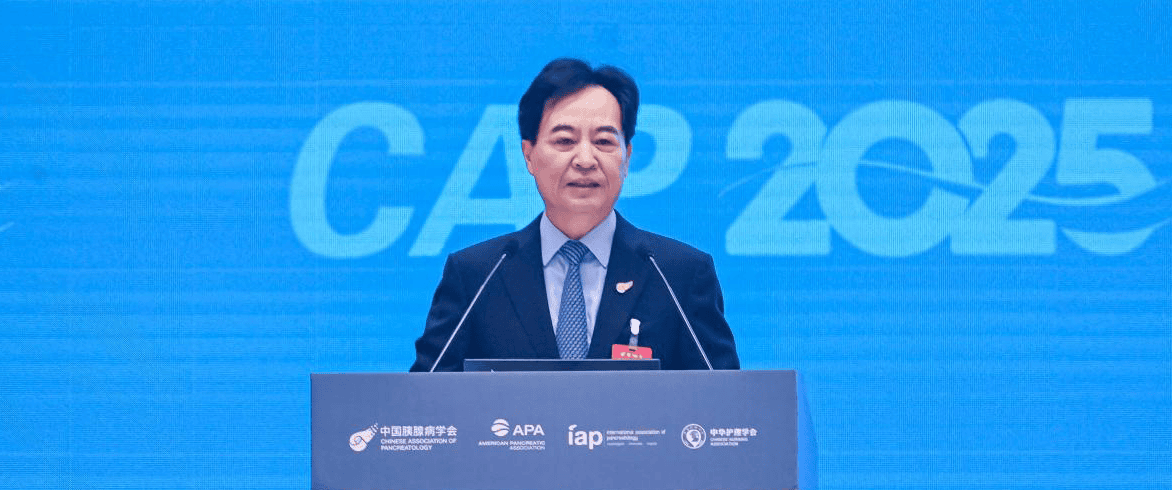
At the opening ceremony, the awards presentation for the 2025 “Pancreatic Health China Tour” Science Popularization Competition, the plaque-awarding ceremony for the Pancreatic Disease Treatment Centers, and the Chinese Association of Pancreatology conference gavel handover all took place successfully. CAP President Academician Yupei Zhao stated that co-hosting this year’s meeting with the Chinese Nursing Association marks an accelerated shift toward deep “medical–nursing–patient integration” in pancreatic disease care, promising patients a smoother and more compassionate integrated service experience.
The opening was attended by Qian Qu, Vice Chairman of the Standing Committee of the Chongqing Municipal People’s Congress; Lichun Shu, Party Secretary of Chongqing University; and Academicians Shusen Zheng, Jiahong Dong, Qimin Zhan, Xiuwu Bian, and Kefeng Dou. More than 3,000 experts and scholars from 19 disciplines at home and abroad joined the conference. Also present were CAP board members and general membership, plus experts and nursing colleagues from multiple specialty branches of the Chinese Medical Association and professional committees of the Chinese Nursing Association.
To thoroughly implement the national “Healthy China” strategy, raise public awareness of pancreatic diseases, enhance diagnostic and treatment capabilities at grassroots medical institutions, and establish a model project for expanding and decentralizing high-quality medical resources, CAP officially launched the “Pancreatic Health China Tour” series of public-welfare initiatives. Raising national awareness of pancreatic health is a key step in achieving early prevention, diagnosis, and treatment of pancreatic diseases. CAP and the Chinese Nursing Association jointly organized the First Pancreatic Health Science Popularization Competition. After two rounds of preliminary judging, 15 teams advanced to the finals for innovative live showcases, 15 entries were selected for the Featured Showcase, and 30 entries for the Special Showcase. The 15 finalist teams competed in an offline final in Chongqing. The event was streamed live by nearly ten media outlets—including Xinhua Net and the People’s Daily Health App—garnering over 4.4 million views online.This competition provided a national stage for young pancreatology healthcare professionals to compete, learn, and exchange ideas. It became a vivid example of the Healthy China initiative in a specialty field and marked CAP’s commitment to extending pancreatic disease prevention and care from the professional domain to the public sphere, and from hospital clinics into communities and homes—letting the light of science illuminate every corner of health awareness.
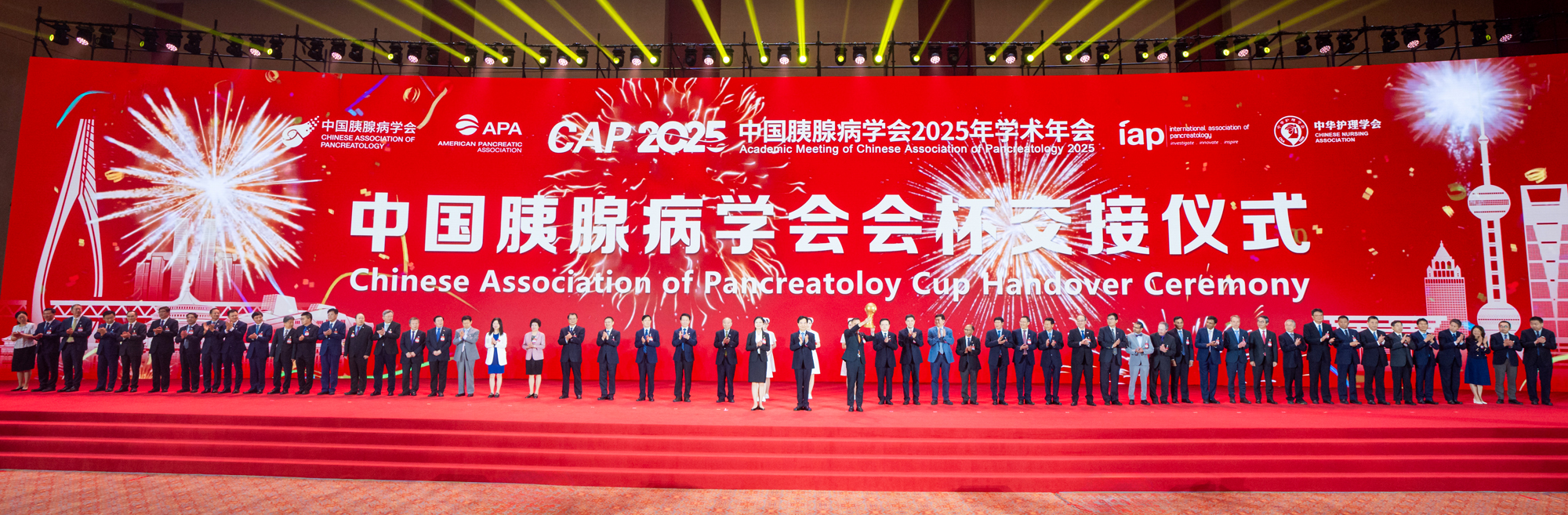
The CAP Academic cup handover ceremony was also conducted at the opening. The 2026 CAP Annual Academic Conference will be hosted by Ruijin Hospital, Shanghai Jiao Tong University School of Medicine.
There are four academic highlights of this conference, which are the shaping of the academic landscape of pancreatology; the deep integration of artificial intelligence with pancreatic medicine; the standardized advancement of multidisciplinary diagnosis and treatment; and the multidimensional construction of an international collaborative network.
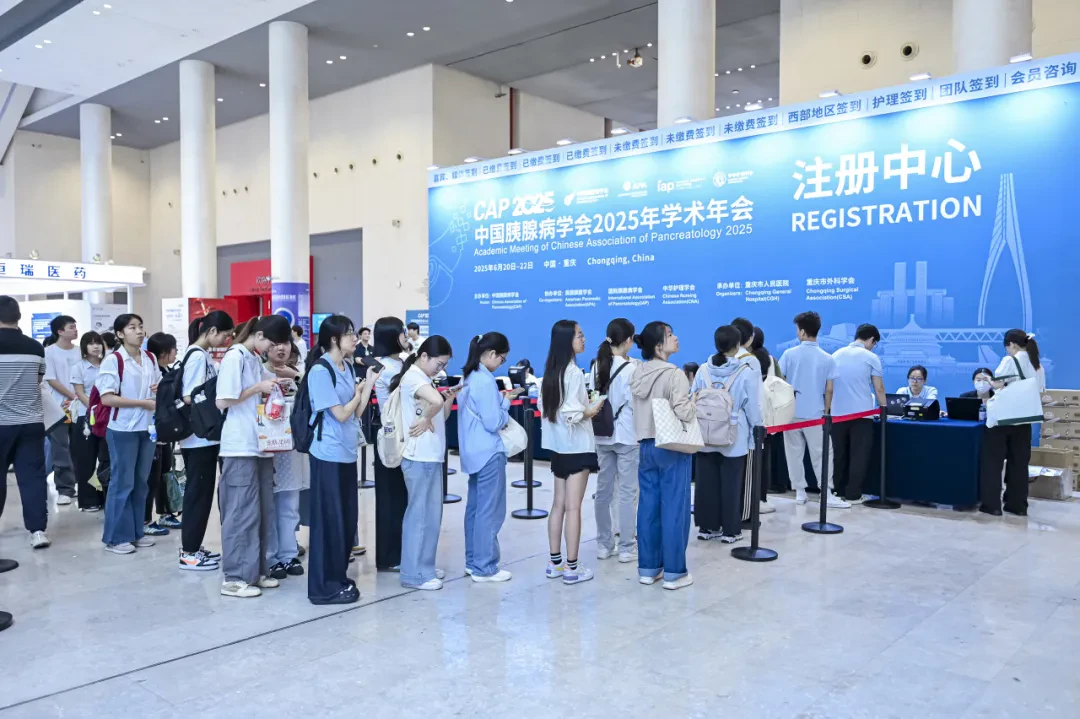
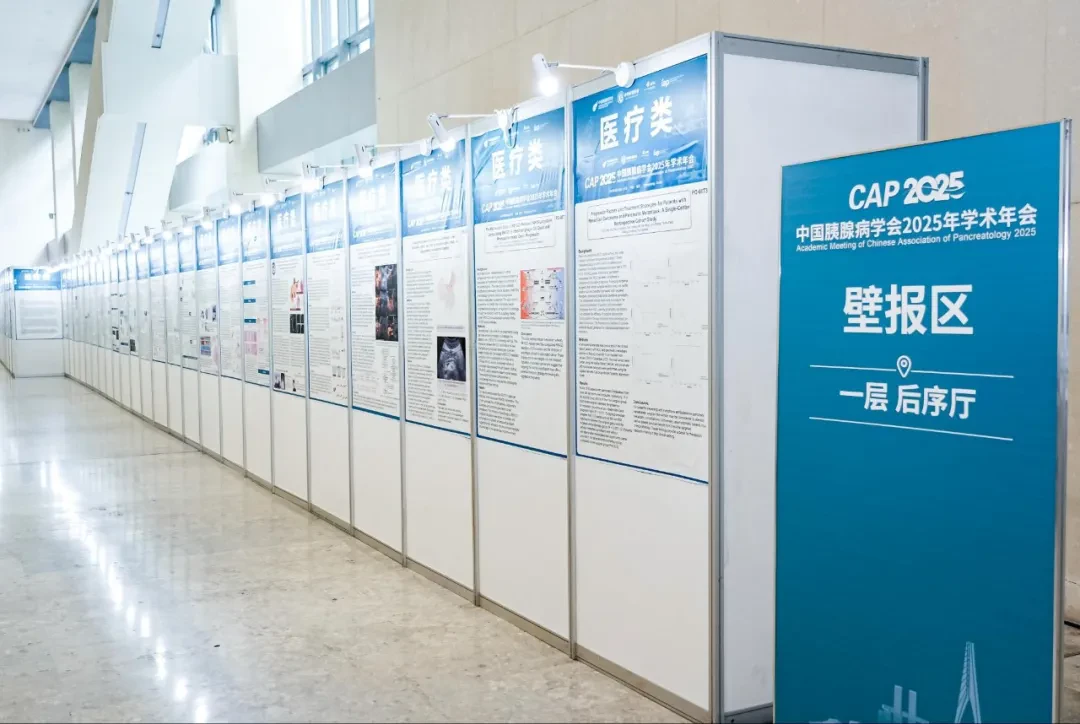
For the 2025 meeting, CAP issued a global call for submissions and received 1,339 manuscripts from nearly 800 scholars, establishing an academic pattern characterized by “leading institutions guiding the field, diverse stakeholders collaborating, and broad regional coverage,” and deeply showcasing frontier technologies and innovative concepts in pancreatology. Building on these cutting-edge results, the conference meticulously designed a multidimensional academic exchange framework, with 29 subforums—spanning pancreatic surgery, endoscopy, endocrinology, nutrition, nursing, pain management, diagnostic radiology, ultrasound, radiotherapy, clinical laboratory medicine, and oncology clinical pharmacology research—plus more than ten themed symposia. Over 400 academicians and renowned experts from China and abroad shared their experience and engaged in scholarly discussion. At this year’s meeting, the Pancreatic Disease Research Institute was officially launched, with dedicated research funds and talent-development programs established to support young investigators with high innovation potential.
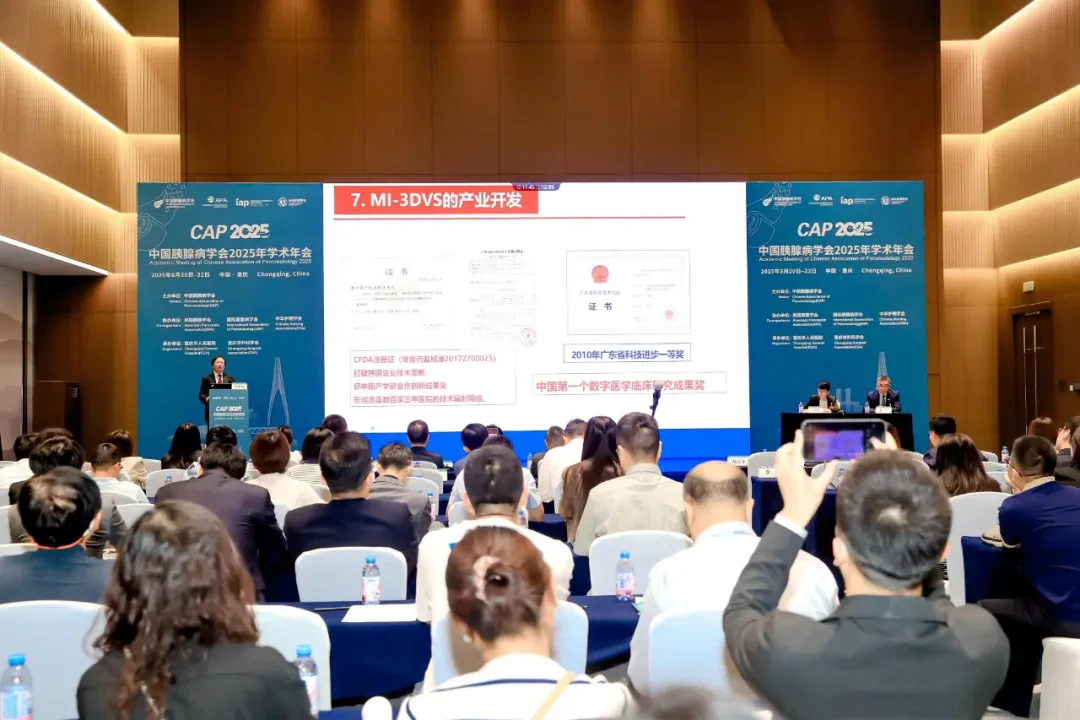
At the conference, a comprehensive artificial intelligence technology matrix debuted, comprising the Artificial Intelligence Session; a dedicated session on domestic surgical robot applications in hepato-pancreato-biliary surgery; and the Robotic Pancreatic Surgery Session. Distinguished experts delivered in-depth presentations on digital, intelligent diagnostic and therapeutic technologies—focusing on the application and adoption of surgical robots, AI algorithms, and navigation systems in complex pancreatic operations—further extending the application boundaries of digital intelligence in surgical practice. This platform united medical specialists and AI researchers in technical exchange, underscoring the vast prospects and immense potential of artificial intelligence in the field of pancreatic disease.
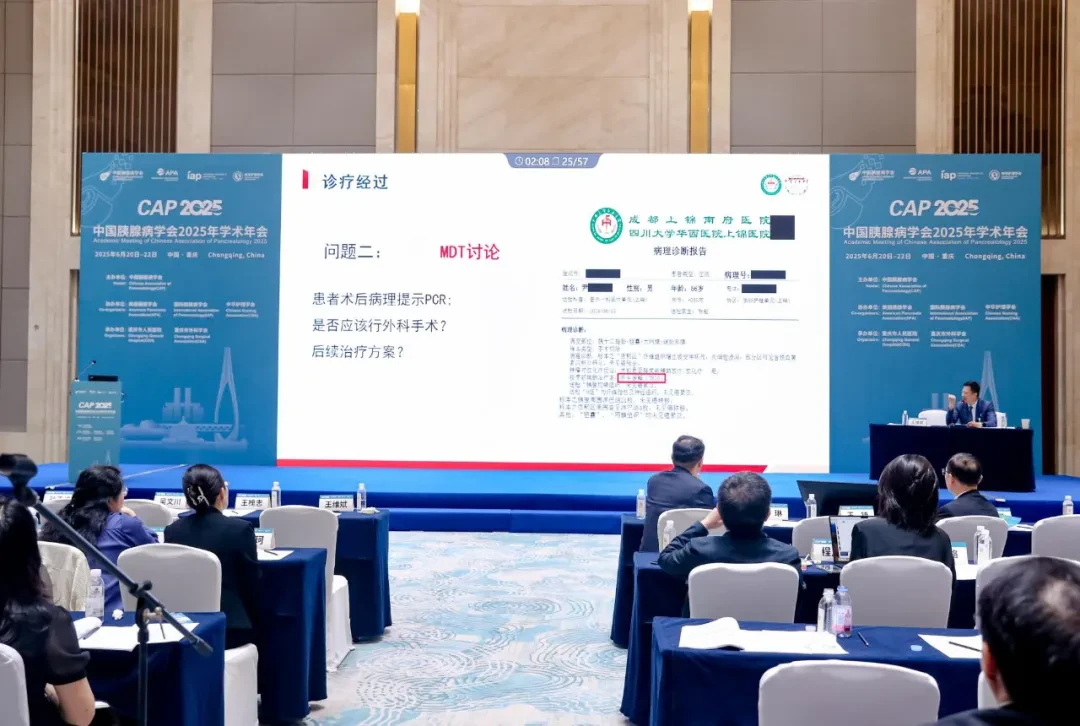
A multidisciplinary case consultation on challenging pancreatic cases—organized by Peking Union Medical College Hospital(PUMCH), West China Hospital of Sichuan University, the Second Affiliated Hospital of Kunming Medical University, and Chongqing People’s Hospital—showcased the diagnostic and therapeutic thinking of top MDT teams, creating another conference climax. PUMCH’s presentation of “rare and complex cases” offered a deep analysis of the decision-making logic for surgical intervention timing; West China Hospital shared its strategy selection for treating advanced malignant pancreatic tumors and explored tiered decision pathways. Using a “case practice + expert commentary” format, the session employed real, challenging cases as “teaching materials,” with multidisciplinary experts collaboratively “lecturing,” thereby providing clinicians with the “golden keys” to solving pancreatic disease challenges and effectively empowering the growth of young physicians.
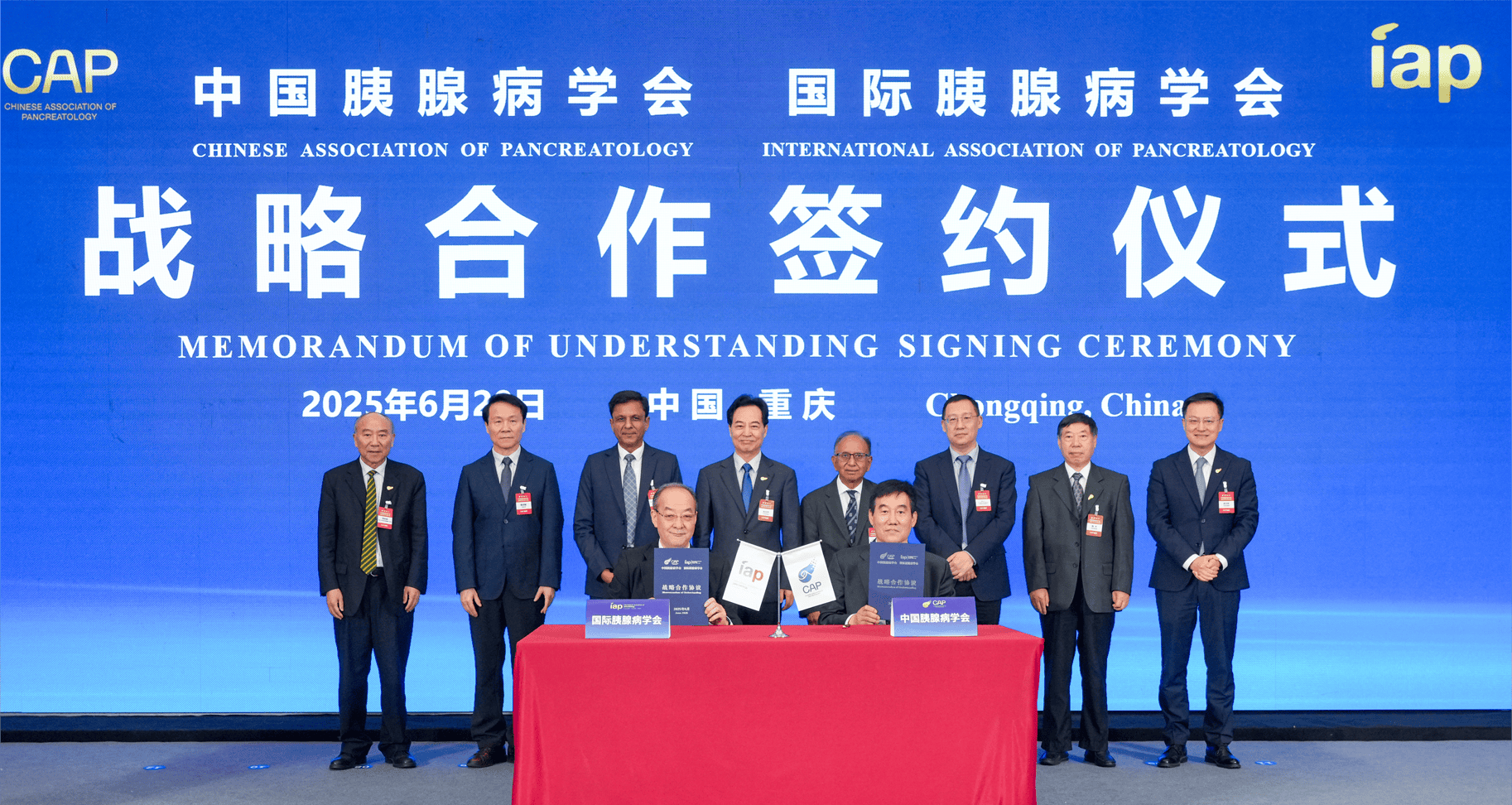
CAP and Chinese scholars have made significant contributions to global pancreatic disease research and care. This year’s meeting featured five English-language subforums, where leading scholars from the USA, Japan, Germany, India, Australia, Iran, Saudi Arabia, and other countries met face-to-face with China’s pancreatic experts to discuss current hot topics, frontier findings, and the latest clinical advances. Aligned with the shared goal of “advancing pancreatology research and disseminating medical knowledge,” CAP and leading international pancreatology societies signed a strategic cooperation agreement at the conference. The partnership will establish formal collaboration and liaison mechanisms, strengthen academic and scientific communication, and organize joint workshops and symposia. This agreement is poised to accelerate the localization and clinical translation of the world’s latest pancreatic-disease breakthroughs in China, while amplifying the voice of Chinese scholars on the global stage—contributing “Chinese wisdom” and “Chinese solutions” to one of humanity’s most formidable medical challenges—pancreatic diseases.