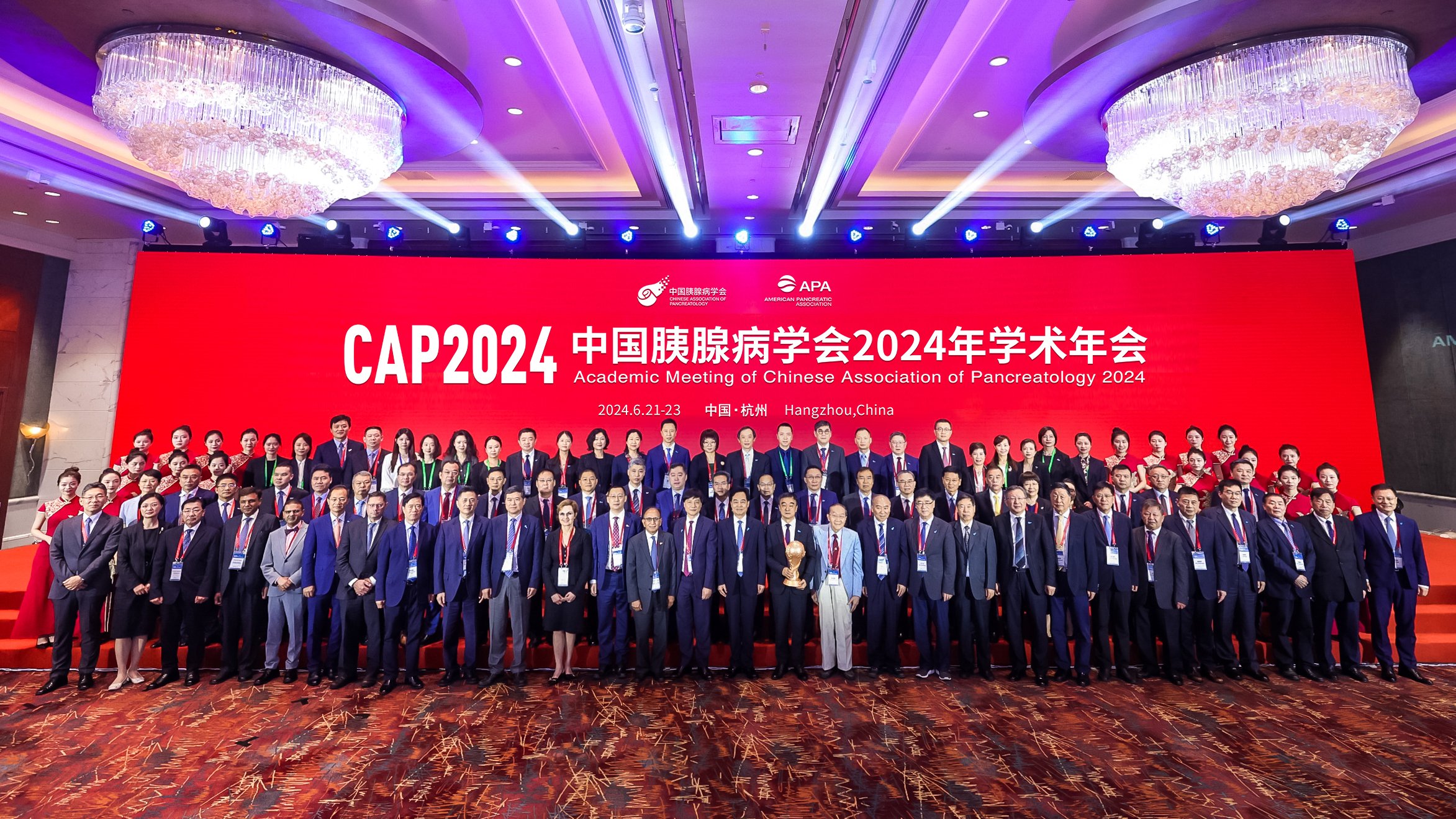
From June 21 to 23, 2024, the 2024 Annual Meeting of the Chinese Association of Pancreatology (CAP), co-organized by the American Pancreatic Association (APA) and hosted by the First Affiliated Hospital of Zhejiang University School of Medicine, was held in Hangzhou, Zhejiang Province. The conference aimed to establish a new international and interdisciplinary platform for academic exchange among experts and scholars in the field of pancreatology, promoting global academic progress and professional development in the field. This high-level international academic event was also a tribute to the 75th anniversary of the founding of the People's Republic of China.
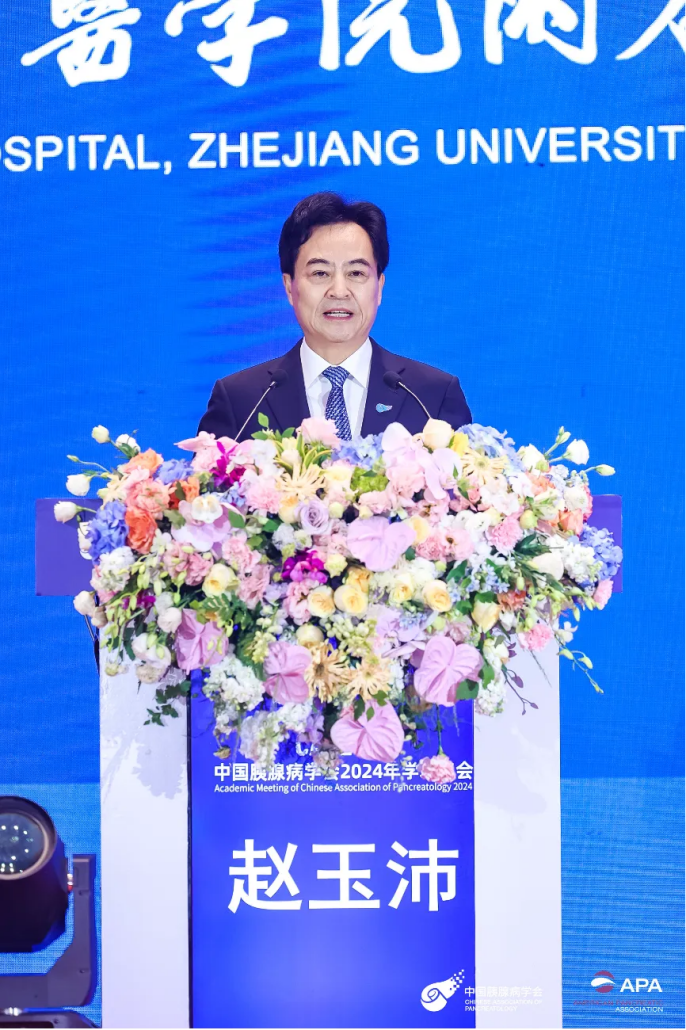
At the opening ceremony, Academician Yupei Zhao, President of CAP, delivered a speech on behalf of the organizing committee. Professor Ashok Saluja, Secretary-General of the APA, Professor Min Li, former President of the APA, and Professor Tingbo Liang, Secretary of the First Affiliated Hospital of Zhejiang University School of Medicine, addressed the audience on behalf of the co-organizing and hosting institutions, respectively. Academicians Shusen Zheng, Guang Ning, and Jiahong Dong, Vice Presidents of CAP, presented certificates of appreciation to the three distinguished speakers.
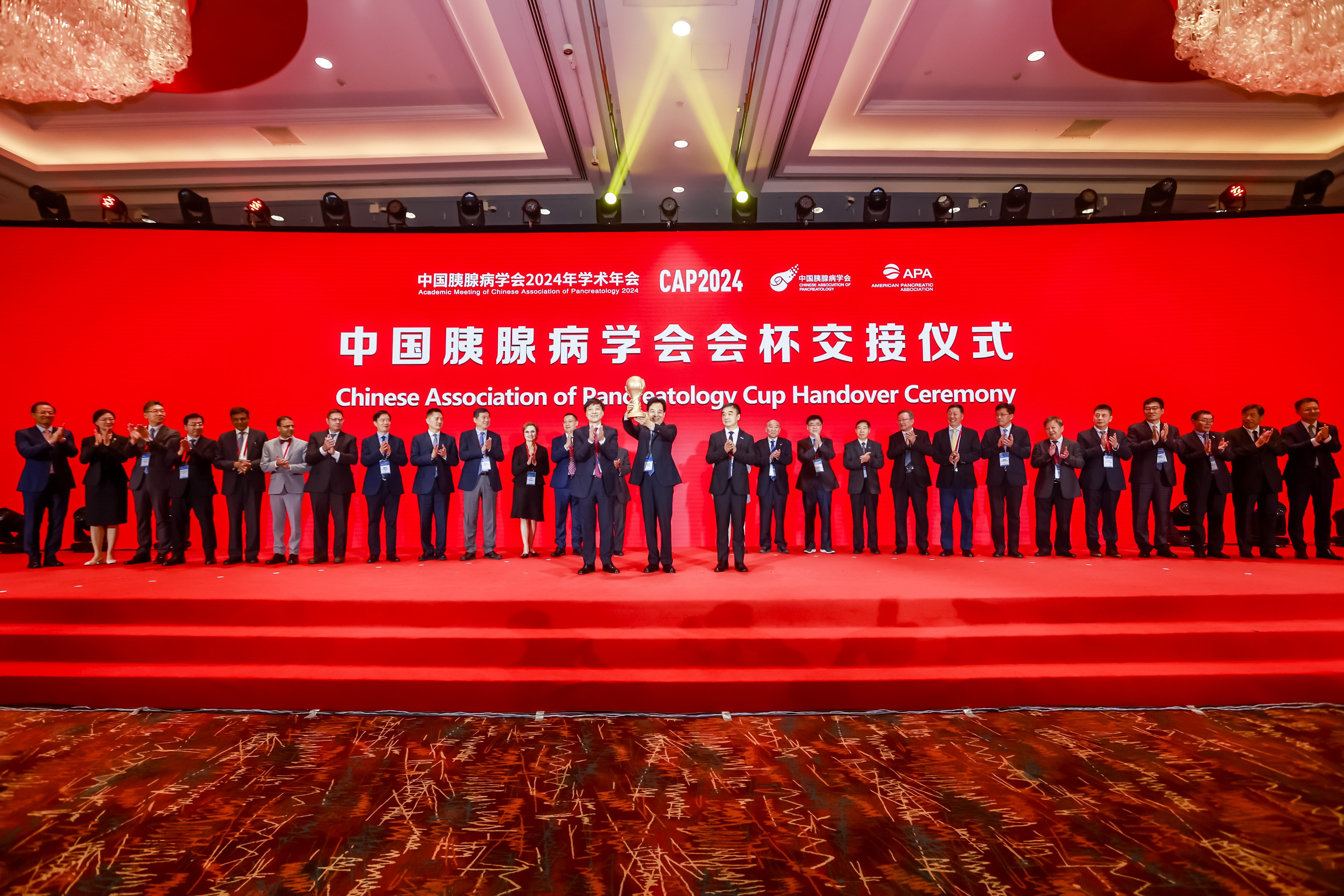
During the opening ceremony, special events were held, including the launch of the "U.S. Young Scholars Exchange Program," the funding ceremony for the "Chinese Young Scholars International Exchange Program," a special recognition for outstanding reviewers of the Journal of Pancreatology (English Edition), and the handover ceremony of the CAP Academic Cup.
This conference marks the first international academic meeting hosted by CAP since its establishment. Nearly ten English-language sessions were organized, where renowned scholars from the United States, Germany, Hungary, Japan, India, and other countries engaged in face-to-face discussions with leading Chinese pancreatology experts on the most pressing issues, cutting-edge advancements, and latest clinical developments in the field.
Centered on the diagnosis, treatment, research, and prevention of pancreatic diseases, the conference brought together multidisciplinary teams from over a dozen national pancreatic disease medical centers. Experts from surgery, internal medicine, basic research, pathology, radiotherapy, radiology, ultrasound, interventional therapy, endoscopy, nuclear medicine, endocrinology, and intensive care collaboratively explored innovative approaches to multidisciplinary care in pancreatology.
The conference also served as a platform to showcase new technologies in pancreatic disease management and emerging trends in medicine-engineering integration. Highlights included advancements in artificial intelligence (AI), nanotechnology, and innovative drug development for pancreatic diseases, novel surgical techniques, and new trends driving the integrated development of industry-academia-research collaboration in pancreatology.
A dedicated Youth International Exchange Session provided a stage for young scholars from China and abroad to share insights. Nine U.S. young scholars and their Chinese counterparts presented and debated breakthroughs in gene therapy, islet autotransplantation, and endoscopic interventions for pancreatic diseases. These discussions not only enhanced mutual understanding and trust but also laid the groundwork for future academic collaboration.